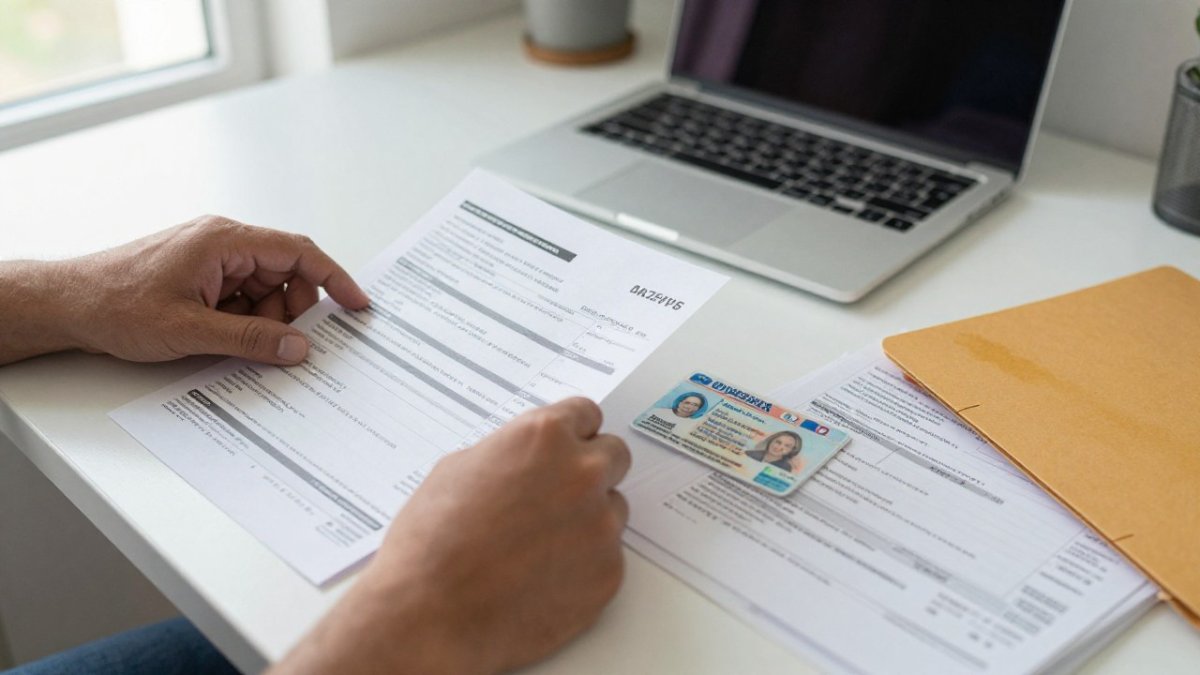
Category: Blog

  • How to Freeze Credit After Reporting Errors

    How to Freeze Credit After Reporting Errors

    Last Updated: November 25, 2026

    Quick Summary

    To learn how to freeze credit after reporting errors, place a security freeze with each of the three nationwide bureaus, then dispute the inaccurate items separately. A freeze stops new lenders from accessing your credit file, but it does not remove the error or repair damage already done.

    • You must contact Equifax, Experian, and TransUnion separately, since no single freeze request covers all three.
    • Freezes are free nationwide, including placing, lifting, and removing them at all three bureaus.
    • A freeze blocks new lenders but does not fix an error, stop a collector from reporting, or block current creditors.
    • If online identity verification fails because of file errors, call the bureau instead of retrying the form.
    • Unfreezing does not pause an open dispute, so check dispute status before lifting a freeze for a lender.
    Errors on your report? Freeze won’t fix them.We review your reports and dispute inaccurate items under the Fair Credit Reporting Act.

    Get a Free Consultation

    Table of Contents

    How do I freeze my credit after reporting errors?

    Learning how to freeze credit after reporting errors means placing a security freeze with each of the three nationwide bureaus, then disputing the inaccurate items separately. A freeze stops new lenders from accessing your credit file. It does not remove the error, and it does not repair the damage already done.

    Infographic showing the step-by-step process of how to freeze credit after reporting errors on a laptop.
    Infographic showing the step-by-step process of how to freeze credit after reporting errors on a laptop.

    That distinction matters. Many people freeze their reports expecting the error to disappear. It won’t. This confusion is common, and it is a frequent reason people feel their freeze “didn’t work.”

    Here is the correct order of operations:

    1. Get your reports from all three bureaus.
    2. Dispute every inaccurate item in writing.
    3. Place a security freeze on each file.
    4. Track both processes until they close.

    A security freeze is a restriction you place on your credit file that blocks lenders from viewing it unless you lift it (What is a credit freeze or security freeze on my credit report?).

    The Consumer Financial Protection Bureau explains that you must contact each of the three nationwide credit reporting companies separately, since no single request covers all of them. You can read the CFPB guidance on credit freezes for the official process.

    Watch out: freezing first and disputing later can slow you down. Some disputes require the bureau to pull your file, and a freeze can complicate verification.

    How do I freeze my credit on all three bureaus?

    You freeze your credit on all three bureaus by submitting a separate request to Equifax, Experian, and TransUnion. Each company maintains its own file, so one freeze protects one file only. There is no central switch, and a freeze at one bureau does nothing at the other two.

    Because the query involves reporting errors, treat this as a bureau-by-bureau workflow rather than a single errand.

    Bureau Online Phone Mail Error-dispute channel
    Equifax Yes Yes Yes Online dispute portal, phone, or mail
    Experian Yes Yes Yes Online dispute center, phone, or mail
    TransUnion Yes Yes Yes Online dispute portal, phone, or mail

    Have this ready before you start, for both the freeze and the dispute:

    • Full legal name and any prior names (maiden name, former married name, suffixes)
    • Social Security number
    • Date of birth
    • Current address and addresses from the past two years
    • Proof of address, such as a utility bill or bank statement
    • A government-issued ID copy for mail requests
    • A copy of the credit report showing the item you are disputing, with the item circled or highlighted
    • Any supporting documents, such as a police report, creditor letter, or account statement

    Expect a confirmation letter or email from each bureau for the freeze, and a separate dispute confirmation number for each dispute. Keep all of them.

    Watch out: if you mail a dispute and a freeze request in the same envelope, some bureaus process them on different timelines and you may get a freeze confirmation before the dispute is even logged.

    A practical sequence that works for most people:

    1. Pull all three reports (free weekly reports are available through AnnualCreditReport.com).
    2. Mark every inaccurate item on each report and note which bureau is reporting it.
    3. File the dispute with that bureau using its online portal, and save the confirmation number.
    4. Place the freeze on that same bureau’s file, and save the freeze confirmation.
    5. Repeat for the next bureau until all three are done.
    6. Calendar a follow-up date for each dispute, and check the official CFPB guidance for the current investigation timeframe.

    If identity verification fails during the freeze step because the file contains errors, call the bureau rather than retrying the online form. The identity questions are generated from the file, so an error can make the questions unanswerable online even when you know the correct answers.

    How to freeze credit after reporting errors online

    The fastest route is online, and it usually takes minutes per bureau. Each company has its own freeze page, and each asks you to create an account or verify your identity first.

    Follow this sequence:

    1. Go to the bureau’s freeze page directly, not through a search ad.
    2. Create or sign in to your account.
    3. Answer the identity verification questions.
    4. Set the freeze and choose a PIN or password.
    5. Save the confirmation number and screenshot the page.

    Identity verification is where most people get stuck. The questions pull from your credit file, so if the file contains errors, the questions may not match what you know. If the errors stem from a change in marital status, keep your records consistent across bureau calls and consider how Bloom Divorce Advisory Services relates to protecting credit during a divorce.

    A common mistake is using a thin or newly opened file. If you have little credit history, the bureau may ask you to mail documents. That is normal, not a red flag.

    Placing a free credit freeze by phone or mail

    A free credit freeze by phone works well when online verification fails. Each bureau runs an automated line, and you can usually complete the request without speaking to a person.

    By mail, send a written request with your full name, address, Social Security number, date of birth, and copies of an ID and proof of address. Send it certified so you have proof of delivery.

    Both routes are free. Federal law made freezes free nationwide, and that includes placing, lifting, and removing them. The USA.gov guide to credit freezes confirms there is no charge at any of the three bureaus.

    Mail is slower, often a week or more each way. Use it only when you must, and never send originals.

    What a freeze does and does not do to an existing error

    A freeze does not remove, correct, or hide an existing error. It blocks new inquiries from lenders. The inaccurate item stays on your file, and any lender you already have a relationship with can still see it.

    What a freeze does:

    • Blocks most new lenders from pulling your file
    • Helps stop identity thieves from opening new accounts
    • Leaves existing accounts and your score untouched

    What a freeze does not do:

    • Fix an error
    • Stop a collector from reporting
    • Prevent a current creditor from reviewing your account

    If you are weighing a freeze against a fraud alert, the two solve different problems. A fraud alert asks lenders to take extra steps before opening credit in your name, while a freeze blocks access outright. Our comparison of fraud alert vs security freeze breaks down which fits your situation, and if you choose the alert route, here is how to place a fraud alert.

    For the error itself, the fix is a dispute, not a freeze. Start with our guide to fixing credit report errors on all three bureaus if you have not filed yet.

    How to unfreeze my credit report for a lender

    You unfreeze your credit report by contacting the same bureau that holds the freeze and asking for a temporary lift. You can usually choose a specific end date, and the freeze returns on its own. Three options exist:

    • Temporary lift: opens your file for a set window, then closes again
    • Permanent removal: deletes the freeze entirely
    • Single-lender lift: lets one named company see your file

    For a mortgage or auto loan, ask the lender which bureau they pull, then lift only that one. It saves you from opening all three.

    Here is the part most guides skip: if you are unfreezing while a dispute is still open, the lift does not fix the error and it does not pause the investigation.

    A workable sequence when an application is coming up:

    1. Check the status of each open dispute first. Under the Fair Credit Reporting Act, bureaus have a set period to investigate; check the official CFPB guidance for the current timeframe.
    2. If the dispute is resolved and the item was corrected or removed, lift the freeze with the bureau the lender will pull, and keep the lift window short.
    3. If the dispute is still open, ask the lender whether they can wait or whether they will accept an explanation. Some lenders will; many will not.
    4. If the error is severe (a fraudulent account, a collection you do not owe), consider whether to apply now at all. Applying with a known error can lead to a denial, and a denial adds an inquiry to the file.
    5. After the application, re-freeze the file if you used a temporary lift, and confirm the freeze is back in place.

    Watch out: a single-lender lift is not a guarantee that only that lender sees the file. It authorizes the named company, but if you later apply elsewhere you will need another lift.

    If errors are still sitting on your file, lifting the freeze will not help the application. Work through our step-by-step dispute guide first, then lift.

    Get a Free Consultation With Credit Repair

    Errors plus a freeze plus a pending application is a lot to manage alone, and the sequence matters more than most people realize. Get it wrong and you lose weeks.

    Credit Repair works through the Fair Credit Reporting Act to identify and dispute inaccurate or unverifiable items on your reports. Its process includes:

    • Personalized support for credit report issues
    • No hidden fees
    • Strict data privacy and security

    Not sure whether your errors are even your fault? Some of the most common mistakes on credit reports are not, and you can check three credit report mistakes that aren’t your fault before you decide anything.

    Get started with Credit Repair for a honest, no-pressure assessment of your credit report.


    A freeze protects you going forward. It does nothing for the error already sitting on your file. If you have reported errors and want them challenged properly, our team can review your reports and tell you exactly what is disputable, with no pressure and no hidden fees.

    Frequently Asked Questions

    Can I freeze all three credit bureaus at once?

    No, you must contact each of the three nationwide credit reporting companies separately: Equifax, Experian, and TransUnion. There is no single form or phone number that freezes all three at once. Each bureau will ask for your personal information, such as your Social Security number, name, address, and date of birth, to verify your identity. Once processed, you will receive a freeze confirmation from each bureau. The freeze is free of charge at all three.

    Should I freeze my credit before or after disputing an error?

    Dispute the error first, then place the freeze. A credit freeze does not remove inaccurate information from your credit report; it only restricts access to your credit file for new credit applications. If you freeze first, you can still file a dispute, but the freeze will not speed up the correction. Start by filing a dispute with the credit bureau and the creditor, then add a freeze as a security measure while the investigation is pending.

    Does a credit freeze remove errors from my credit report?

    No. A credit freeze prevents lenders from accessing your credit file for new accounts, but it does not correct inaccurate information. To remove errors, you must go through the dispute process under the Fair Credit Reporting Act. The bureau must investigate your dispute and correct or delete information that cannot be verified; check the official CFPB guidance for current timelines. A freeze can protect you from further fraud, but it is not a substitute for disputing errors.

    How do I unfreeze my credit report when I need to apply for credit?

    You can temporarily lift or remove a freeze online, by phone, or by mail with each credit bureau. You will need your freeze confirmation number or personal information to verify your identity. Online requests are typically processed immediately, while phone or mail may take longer. You can lift the freeze for a specific creditor or for a set period. There is no fee to unfreeze, and you can re-freeze your credit afterward at no cost.


  • How to Remove Medical Debt in 2026: A Step-by-Step Guide

    How to Remove Medical Debt in 2026: A Step-by-Step Guide

    Last Updated: November 24, 2026

    Quick Summary

    Medical debt can be removed in three ways: by disputing inaccurate or unverifiable items on your credit report, by negotiating a reduced settlement with the provider, or by applying for hospital financial assistance that forgives the bill. Which path works depends on whether the debt is valid, your state’s reporting rules, and your income. Start by pulling your free credit reports and checking each medical item.

    • Pull free reports from all three bureaus at AnnualCreditReport.com and flag every medical item.
    • Dispute inaccurate or unverifiable items in writing with each bureau reporting them, using certified mail.
    • Sixteen states prohibit or restrict medical debt from appearing on credit reports, so check your state’s rules.
    • Paying a collection does not automatically remove it, so get any deletion promise in writing first.
    • Hospital financial assistance applications should be submitted before the bill goes to collections, with deadlines confirmed.
    Is old medical debt blocking your loan?Credit Repair reviews your reports and disputes inaccurate medical items under the Fair Credit Reporting Act.

    Get a Free Consultation

    Table of Contents

    How Much Medical Debt Can Actually Be Removed?

    Medical debt is more common than most people think. In 2024, a study of medical debt and collections in U.S. households, published in PubMed Central found that 36% of U.S. households had medical debt, and 23% were paying a medical bill over time to a provider.

    Removing medical debt does not always mean the balance disappears. Some debts can be removed from a credit report because they are inaccurate, unverifiable, or reported too early. Other debts may be lowered through negotiation, settled for less, or forgiven through a hospital financial assistance program.

    • Removed from the credit report: the item is inaccurate, unverifiable, or outside reporting rules
    • Reduced or settled: the provider agrees to take less than the full balance
    • Forgiven: a hospital or nonprofit program cancels all or part of the debt

    Medical Debt Credit Reporting Rules in 2026

    Medical debt reporting rules have changed in recent years, and the rules are not the same everywhere. The Commonwealth Fund’s 2026 analysis of state medical debt protections reports that sixteen states prohibit or restrict medical debt from appearing on credit reports.

    At the federal level, the picture is unsettled. Federal rules on medical debt reporting have been subject to legal challenges, and their status should be confirmed with the official sources before you rely on them.

    What the bureaus do in practice

    Even where no statute applies, the three national credit bureaus have adopted voluntary medical-debt reporting changes. Bureau reporting practices for medical collections can change, and they do not bind every furnisher, so check the current policies directly with each bureau.

    What this means for you:

    • A paid medical collection that still appears on your report may be a basis for a dispute.
    • Check the date the account was placed for collection and the amount before you dispute, since current reporting rules may treat recent or small medical balances differently.

    How to check your own reports

    Request your free reports from all three bureaus at AnnualCreditReport.com. Read each report line by line and flag every medical item. For each one, write down:

    1. The collection agency and the original provider
    2. The reported balance and the date opened
    3. Whether the account is marked paid or unpaid
    4. Which of the three reports it appears on

    The same item often appears on one or two reports but not all three, and the balances can differ. Note each version separately, because you will dispute each bureau on its own record.

    What to do if a medical debt is on your report

    Match the item to one of these situations and act accordingly:

    • You already paid it. Send the bureau proof of payment and ask that the item be corrected or removed. Also send the proof to the collector and ask it to update the furnishing.
    • It is not your debt or the amount is wrong. Dispute it in writing with each bureau that reports it, and include the itemized bill or insurance explanation of benefits that shows the error.
    • It is valid and unpaid. A dispute will not remove a valid debt. Focus instead on negotiating or settling with the provider or collector, and ask in writing that any paid or settled collection be deleted from your report as part of the agreement.

    Watch out: paying a collection account does not automatically remove it from your report. Get any promise to delete the item in writing before you pay, or you may end up with a paid collection still showing on your file.

    State rules can add protection

    If you live in one of the states that restricts medical debt reporting, your state law may give you rights the federal rules do not. Check your state attorney general’s website or your state’s financial regulator for the current rule, and confirm whether the law is in effect or tied up in litigation. Once you have cited the state protections that apply, keeping a clear record of bills, disputes, and payment arrangements can also help you manage healthcare expenses without losing sight of your credit rights.

    Step 1: Get Your Bills and Credit Reports in Order

    Before you dispute anything, gather every document you can find. Missing paperwork is the most common reason disputes stall.

    1. Collect every medical bill, statement, and collection notice
    2. Request your free credit reports from all three bureaus at AnnualCreditReport.com
    3. Write down the provider, date of service, amount, and account number for each item
    4. Note which items appear on which report, since they may differ

    Keep everything in one folder, paper or digital. You will need it for the steps that follow.

    The steps below follow a clear order, so each action is easy to track.

    Step What to do Timing
    Step 1 Collect every medical bill, statement, and collection notice Before you dispute anything
    Step 2 Request free credit reports from all three bureaus At AnnualCreditReport.com
    Step 3 Write down provider, date of service, amount, and account number For each item
    Step 4 Note which items appear on which report Reports may differ

    Step 2: Check Whether the Debt Is Valid and Accurate

    Not every medical collection is correct. Insurance errors, duplicate billing, and wrong patients can all create debts that should never have been sent to collections. (Source: Fair Credit Reporting Act)

    Check each item against these questions:

    • Did you receive care from this provider on this date?
    • Did your insurance pay, deny, or still owe a claim on this bill?
    • Is the amount the same as the itemized bill?

    If the answer to any of these is no, the item may be disputed. A disputed item is one you have challenged in writing, and the credit bureau must investigate it.

    How to Dispute Medical Collections

    You can dispute an item with the credit bureau, the collector, or both. Disputing with the bureau is usually the first step because it starts a formal investigation.

    Send a written dispute to each bureau reporting the item. Under the Fair Credit Reporting Act, the bureau has to investigate disputes, so track your dates (Disputing Errors on Your Credit Reports).

    Watch out: a dispute does not erase a debt on its own. If the collector verifies the item, it may stay on your report, so follow up with the collector if needed.

    Medical Debt Dispute Letter: What to Include

    A clear letter makes it harder for a bureau or collector to ignore your claim. Keep it short, factual, and specific.

    Infographic outlining the step-by-step process to draft a formal medical debt dispute letter at home.
    Infographic outlining the step-by-step process to draft a formal medical debt dispute letter at home.

    Sample dispute letter outline

    • Your full name, address, date of birth, and last four digits of your Social Security number
    • The name of the collection agency and the original provider
    • The account number and amount you are disputing
    • The specific reason: wrong amount, insurance paid, not your debt, or not verified
    • A request that the item be investigated and corrected or removed
    • A list of the documents you enclosed
    • Your signature and the date

    Send the letter by certified mail with return receipt requested, so you have proof of delivery.

    How to Apply for Medical Debt Forgiveness

    Some hospitals offer financial assistance that can cancel part or all of a bill. Eligibility often depends on income and family size, and program rules vary by hospital. Treat the application like a paperwork project with a deadline, not a phone call.

    Step 1: Find the hospital’s written policy

    Ask the billing office for the hospital’s financial assistance policy and the application form. Also check the hospital’s website, since many post both. Read three things closely:

    • The income limits, usually expressed as a percentage of the federal poverty guidelines
    • Which services and dates of service are covered
    • The deadline to apply and whether the policy covers bills already sent to collections

    Ask whether you were screened for financial assistance before any collection action.

    Step 2: Gather the documents

    Keep these ready when you apply:

    • Recent pay stubs or proof of income for everyone in the household
    • The most recent tax return, or a signed statement that you have no income
    • The hospital bill and account number for each date of service

    Make copies and keep the originals. Send the application by certified mail with return receipt requested, or submit it in person and ask for a dated receipt.

    Step 3: Submit and track the deadline

    Apply before the bill goes to collections if you can. Some programs do not cover debts already sold to a collector, and some have application deadlines, so confirm the terms with the hospital. Write down the date you submitted, the name of the person you spoke with, and any reference number. Follow up in writing about two weeks after submission if you have not heard back.

    Step 4: If you are denied, appeal

    A denial is not always final. Ask for the denial in writing and for the specific reason. Common reasons include missing documents, income calculated above the limit, or a service the policy excludes.

    Watch out: a hospital may send a bill to collections while your application is pending. Send the application by a method that proves the date, and tell the billing office in writing that an application is pending so the account is not forwarded.

    Compare this path against other options

    You can compare this path against other options before you decide. Our guide on medical debt relief services vs. bankruptcy explains the tradeoffs. For lower-income households, our roundup of the best medical debt assistance programs for low income lists options worth checking first.

    Your Next Step Toward a Cleaner Credit Report

    Start with the item that does the most damage to your score or blocks a loan. Pull your reports, check each medical collection, and send disputes for anything inaccurate. If you have been denied for a mortgage or car loan because of medical debt, Credit Repair can review your reports and explain your options. Get a Free Consultation to talk through your situation before you decide what to do next.


    Frequently Asked Questions

    Is there any way to get rid of medical debt?

    Yes, several routes can reduce or remove medical debt. You can ask the provider for financial assistance or charity care, negotiate a lower balance, set up a payment plan, or dispute bills that contain errors. Nonprofit debt relief programs sometimes buy and cancel medical debt, though research indicates these efforts do not always deliver the intended results. Confirm current rules with your state and the provider, and check each option against your own income and documentation before committing.

    Can medical debt hurt your credit in 2026?

    Medical debt can affect your credit, but the rules depend on where you live and how the debt is reported. Several states restrict medical debt from appearing on credit reports, and federal rules on this topic have faced legal challenges, so do not assume any rule is in force without checking. Check your reports at the three major bureaus and ask whether your state offers protection.

    How do I dispute medical debt on my credit report?

    Request your credit reports from the bureaus, identify the medical collection entries, and send a written dispute to each bureau reporting the item. Include copies of supporting documents such as itemized bills, insurance explanations of benefits, and proof of payment. Keep copies of everything you send and note the date. Under the federal Fair Credit Reporting Act, bureaus must investigate disputes and correct or delete information they cannot verify.

    What if you just never pay your medical debt?

    Unpaid medical debt can be sent to collections, reported to credit bureaus, and in some cases lead to a lawsuit, depending on your state and the amount owed. Ignoring the debt usually does not make it disappear. Respond in writing, ask for validation of the debt, and explore financial assistance or a payment plan before the account escalates. Consider speaking with a consumer attorney if a lawsuit is filed.

  • 5 Ways to Track Credit Score Changes: A Guide for Self-Employed

    5 Ways to Track Credit Score Changes: A Guide for Self-Employed

    Quick Summary

    To track credit score changes, combine a free score-monitoring app for daily alerts, weekly reviews of your free credit reports, bureau-based alerts, and direct FICO score confirmation. Self-employed people should also track business credit separately, since personal guarantees can link the two files.

    • Free score apps give early alerts, but many show only one bureau and a VantageScore rather than FICO.
    • Under federal rules, you can access free credit reports from each bureau at least once a week.
    • Review each report for new accounts, unrecognized late payments, and balances that look wrong.
    • Check your FICO score directly, since many lenders use it rather than the score shown in free apps.
    • Business credit is tracked separately, but personal guarantees can make a business obligation appear on your personal report.

    Table of Contents

    How Credit Scores Work and Why Self-Employed Income Makes Tracking Harder

    Tracking credit score changes is the fastest way for a self-employed person to catch problems before they cost money. This guide walks through five practical methods to track credit score movement, along with a routine that fits irregular income.

    A credit score is a three-digit number that summarizes how you have handled borrowed money. Learn how FICO Score and VantageScore differ before you start tracking, since lenders may use either one. Lenders use it to decide whether to approve you and what rate to charge. Your credit report is the detailed record behind that number, listing your accounts, balances, payment history and inquiries.

    Consumer Financial Protection Bureau guidance on free credit reports

    Self-employed people face extra challenges when they track credit score changes. Your income arrives unevenly, you may not have a regular paycheck to show lenders, and business and personal credit can overlap. A Bureau of Economic Analysis paper calculated that a one-point credit-score increase raises self-employment earnings by 0.29 percentage point, which shows why score movements matter to your business as well as your personal finances. U.S. Bureau of Economic Analysis working paper on credit data and self-employment earnings

    Watch out: Lenders often pull the FICO score rather than the score you see in a free app, so a rising number on one platform does not guarantee approval.

    Method 1: Use Free Score-Monitoring Apps

    Free score-monitoring apps are the lowest-effort starting point for a self-employed person because they require no subscription and no business documentation. You create an account, verify your identity, and the app displays a score plus a feed of changes. Some free services, such as Credit Karma and Experian Free, show scores and monitoring based on specific bureau data, so check each provider’s current terms.

    The value for someone with irregular income is the alert layer, not the number itself. A free app will typically notify you when a new account appears, when a hard inquiry is recorded, when a balance crosses a threshold, or when your score moves. That early warning matters when you are about to apply for a business line of credit or a personal loan and cannot afford a surprise derogatory mark discovered at underwriting.

    Consumer Financial Protection Bureau guidance on free credit reports

    The limitation is coverage and model mismatch. Most free apps show one or two bureaus, not all three, so a change reported only at the third bureau may never surface. Many also display a VantageScore rather than the FICO score most lenders pull, which means the number can move differently than the score a lender sees. Before you rely on an app, check three things on its site: which bureaus it covers, which scoring model it displays, and how often it refreshes (daily versus weekly).

    A practical pattern for self-employed users is to pick one free app as a daily early-warning system and pair it with a separate method for full-bureau coverage. Do not treat a rising app score as approval insurance; treat it as a smoke detector.

    Best for: self-employed people who want a no-cost daily alert feed and a rough score trend.
    Skip if: you need all three bureaus covered or you need the specific FICO model a lender will use.

    Watch out: A free app that shows only one bureau can leave a fraudulent account at another bureau invisible for months, so never let the app replace a full report review.

    Method 2: Pull Free Credit Reports and Review Them Regularly

    Score apps show a number. Credit reports show the reasons behind it. Under federal rules, consumers can access free credit reports from each bureau at least once a week, which makes regular review practical for anyone with irregular income. Learn how often to check your credit report and how that differs from checking your score.

    Review each report for new accounts you did not open, late payments you do not recognize and balances that look wrong. Catching a fraudulent account early is far easier than disputing it months later. If you find an error, you can dispute it directly with the bureau. Follow these steps to dispute an error directly with Equifax online, including submitting documents and tracking the result. Credit Repair can also help you review reports and identify items that may be inaccurate or unverifiable.

    Here is a quick reference for the review steps and the points to check on each report. (Source: difference between soft and hard inquiries)

    Check What to look for Action
    New accounts Accounts you did not open Dispute with the bureau
    Late payments Late marks you do not recognize Dispute with the bureau
    Balances Balances that look wrong Dispute with the bureau
    Report frequency Free reports from each bureau Review at least once a week

    Method 3: Enroll in Bureau-Based Credit Monitoring Alerts

    Bureau-based monitoring sends alerts when specific changes occur. Some bureau-based monitoring services offer alerts for score changes and possible identity fraud, so review each provider’s current features before enrolling.

    Alerts are most useful when they arrive quickly. A new inquiry or a new account can appear without warning, and an alert lets you react the same day. Compare current prices directly on each provider’s website before choosing a paid service.

    Method 4: Confirm Your FICO Score Directly

    Many free apps show VantageScore, while many lenders use FICO. Find out why two credit score apps show different numbers and how that relates to the score lenders actually use. The two models can produce different numbers, which is why a score in one app may not match what a lender sees. Confirming the FICO score directly gives you the figure most lenders actually use.

    Some free services may provide access to FICO scores. Check the current terms on the provider’s website before you enroll, since free-offer details can change.

    Method 5: Track Business Credit Separately

    Self-employed people sit on two credit tracks at once, and conflating them is one of the most common monitoring mistakes. Personal credit is reported to the three consumer bureaus (Equifax, Experian, and TransUnion) and drives your personal score. Business credit is tracked by separate commercial bureaus and reflects trade lines, vendor accounts, business loans, and the payment history of the entity itself. A strong personal file does not automatically create a business file, and a business file can be thin even when your personal score is excellent.

    The overlap is where self-employed borrowers get surprised. Many business loans, cards, and leases require a personal guarantee, which means the business obligation can appear on your personal report and affect your personal score. A missed business payment can therefore show up as a personal derogatory mark. Conversely, a personal dispute does not fix a business file error, and a business dispute does not clean up your personal report.

    A workable routine separates the two reviews. On the business side, pull your business files from the commercial bureaus on their own schedule and look for new vendor accounts, unfamiliar inquiries, and payment history that does not match your records. On the personal side, keep the free-report and app routine from the earlier methods. Keep a simple log that records, for each file, the date checked, the bureau, any new account, and any item you plan to dispute.

    A common pattern among self-employed borrowers is to review the personal file monthly and the business file quarterly, then do a combined review before any major application. That sequencing catches a personal problem before it contaminates a business application and catches a business problem before a personal guarantee pulls it onto your personal report.

    Best for: self-employed people with vendor accounts, business cards, or any loan that carries a personal guarantee.
    Skip if: you have no business credit accounts and no plans to apply for business financing.

    Watch out: Assuming a business account is invisible to your personal report is risky when a personal guarantee is attached, so confirm the guarantee terms before you treat the two files as fully separate.

    Building a Monthly Tracking Routine for Your Business and Personal Credit

    A simple routine combines the five methods. Each month, check your free score app, review one free credit report for unfamiliar activity, confirm alerts are active and look at your business credit file. Quarterly, confirm the FICO score you plan to use for a major application.

    Self-employed professional using a smartphone app to track credit score at a home office desk with a laptop.
    Self-employed professional using a smartphone app to track credit score at a home office desk with a laptop.

    Here is a short monthly checklist:

    • Check your score in one free app and note the change
    • Review one full credit report for new accounts or errors
    • Confirm your bureau alerts are still turned on
    • Check business credit for new vendor or loan activity
    • Write down any item you plan to dispute

    The practical goal is to catch problems early. Credit Repair offers an honest, no-pressure assessment of your reports if you want a second review. Contact us for a free consultation to discuss your situation.

    Frequently Asked Questions

    How can self-employed individuals check their credit score for free?

    Several free options exist. Many banks and card issuers show a score in their online portals, and free services such as Credit Karma show scores based on Equifax and TransUnion data. Experian’s free monitoring offers alerts when your score or key report information changes. Because each service may use a different bureau or score model, compare what each one actually shows before relying on it. Free access to your credit reports is available from each bureau once a week through AnnualCreditReport.com.

    How often should you check your credit score?

    Checking your own score does not lower it, because a self-check is a soft inquiry. Most self-employed people benefit from reviewing their score monthly and their full credit reports at least every few months. Monthly checks make it easier to spot unexpected drops, such as a new account you did not open or a late payment that was reported in error. If you apply for a loan or card, check your reports beforehand so you can address errors first.

    Can self-employed individuals build business credit separately from personal credit?

    Yes. Business credit is tracked by business credit bureaus and uses a separate file, typically tied to your business’s Employer Identification Number. Lenders often review both, and personal guarantees can link the two. Tracking each one separately helps you see which changes come from business activity, such as new vendor accounts, and which come from personal borrowing. Monitoring both can help you see which changes come from business activity and which come from personal borrowing.

    What should you do if your credit score changes unexpectedly?

    First, pull your reports from all three bureaus and compare them to find the cause, such as a new inquiry, a changed balance, or a reported late payment. If you find an account you do not recognize or information that is inaccurate, file a dispute directly with the bureau that reported it. Under the Fair Credit Reporting Act, the bureau is required to investigate disputes; check official FTC or CFPB guidance for current timelines. Save copies of every dispute and response for your records.

  • 7 Signs of Identity Theft: How to Spot It Early

    7 Signs of Identity Theft: How to Spot It Early

    Quick Summary

    The earliest signs of identity theft include unrecognized bank or card charges, accounts or inquiries you did not make on your credit report, and missing or redirected mail. Other early signals are bills for accounts you never opened, unexpected credit denials, tax or benefit problems you cannot explain, and unexpected password resets. Catching these quickly limits the damage.

    • Review bank and card statements at least once a week for unfamiliar charges.
    • Pull free reports from all three credit bureaus at AnnualCreditReport.com, since bureaus do not share data.
    • Check with the U.S. Postal Service whether a change of address was filed in your name.
    • Request written validation of any debt collector claim, including the original creditor and amount.
    • If you see several signs, report identity theft at IdentityTheft.gov and place a fraud alert or freeze.
    Found a Suspicious Account?Credit Repair reviews your credit report and disputes inaccurate or unverifiable items.

    Get a Free Consultation

    Table of Contents

    Why Early Detection of Identity Theft Matters

    Last Updated: November 20, 2026

    Identity theft often goes unnoticed for months. Catching the problem early limits the damage, shortens the cleanup, and gives you more control over what happens next.

    Many people only discover identity theft when a loan is denied, a collection agency calls, or a tax return is rejected. Steps to block fraud and restore your credit are covered in detail if you suspect your identity has been stolen.

    This guide walks through seven signs to watch for. For each one, it explains what the sign looks like, how to check it, and what to do next. Some of these signs have harmless explanations, such as a bank error or a mail delay, so we also cover how to tell the difference.

    Identity theft is the use of your personal information, such as your Social Security number, bank account number or credit card number, to open accounts, make purchases or obtain benefits in your name without your permission.

    Here is a quick reference to the seven warning signs covered in this guide and the first step to take for each.

    Warning sign First step Timing
    Unrecognized bank or card transactions Contact your bank or card issuer Review statements weekly
    Unfamiliar accounts or inquiries on credit report Dispute with the creditor and bureau Pull all three reports
    Missing, delayed, or redirected mail Check with USPS and creditors Wait a few days first
    Bills for accounts you never opened Request written debt validation Keep copies of every letter
    Unexpected credit denials Request the consumer report Free copy on request
    Tax, benefit, or medical problems you cannot explain Contact the agency or company directly Act within 24 hours
    Unexpected password resets or alerts Change password and turn on two-factor authentication Act immediately

    Sign 1: Unrecognized Bank and Credit Card Transactions

    Charges you do not recognize are among the most common early warning signs. The Federal Trade Commission lists withdrawals you did not make as a possible sign of identity theft. FTC Consumer Advice on what to know about identity theft

    Review your bank and credit card statements at least once a week. Look for small test charges, which thieves sometimes use to confirm a card works before making larger purchases. Also check for merchants you do not recognize and for transfers you did not authorize.

    If you spot a charge you do not recognize, contact your bank or card issuer right away. Ask them to freeze or replace the card and to open a dispute.

    Sign 2: Unfamiliar Accounts or Inquiries on Your Credit Report

    Your credit report is one of the best places to catch identity theft early, because a new account or a lender’s inquiry leaves a record even when no statement ever reaches you. Compare freezes, fraud alerts, and credit locks to see which option best stops further misuse.

    Flowchart showing steps to spot identity theft by reviewing credit reports and bank statements at home.
    Flowchart showing steps to spot identity theft by reviewing credit reports and bank statements at home.

    You can get free reports from each of the three nationwide credit bureaus at AnnualCreditReport.com. Pull all three rather than one: bureaus do not share data, so a fraudulent account may appear on only one file. Read each report in four passes:

    1. Personal information. Confirm your name, current and prior addresses, employer, and phone numbers. An address or employer you never had is a classic sign that a thief opened accounts using a change of address.
    2. Accounts. Check every tradeline, the creditor name, date opened, balance, and payment status. Flag anything you did not open, and note accounts marked late or in collections that you paid on time.
    3. Inquiries. Separate hard inquiries (from applications for credit, loans, or rental housing) from soft inquiries (from preapproved offers, your own requests, or account reviews). Only hard inquiries tied to applications you did not submit are a warning sign. Learn how to remove an unauthorized hard inquiry from your report, including how to dispute it.
    4. Public records and collections. Look for judgments, liens, or collection accounts you do not recognize.

    If something looks wrong, act the same day. Contact the creditor that reported the account, tell them you believe it is fraudulent, and ask them to close it and send you confirmation in writing.

    Watch out: an unfamiliar inquiry is not automatically fraud, a soft inquiry from a lender you already do business with, or a hard inquiry from a car dealer who shopped your application to several lenders, can look strange on paper but be entirely legitimate. Match every entry against your own records and receipts before you call it identity theft, and dispute errors rather than fraud when the record simply belongs to someone with a similar name.

    Sign 3: Missing, Delayed, or Redirected Mail

    Thieves sometimes file a change-of-address form in your name so that statements and new cards go to them. If your bills or bank statements stop arriving, treat it as a warning sign. InRoads Credit Union on early warning signs of identity theft

    You can check with the U.S. Postal Service to confirm whether a change of address was filed for you. Then contact your creditors directly to confirm your mailing address.

    Mail delays happen for ordinary reasons too, so give it a few days before you act. If the problem continues, look more closely at your accounts and credit reports.

    Sign 4: Bills or Collection Notices for Accounts You Never Opened

    Receiving a bill or collection notice for an account you never opened is a strong sign that someone else may be using your identity. Step-by-step guidance on disputing a debt that isn’t yours is available if you are contacted about one. A collector may also contact you about a debt that is not yours. (Source: Fair Credit Reporting Act)

    Do not ignore these notices. Ask the collector for written validation of the debt, including the name of the original creditor and the amount owed. [page] explains how to dispute a debt that is not yours, including how to check for identity theft.

    Keep copies of every letter and note the dates of your calls.

    Sign 5: Unexpected Credit Denials

    A denial for a loan, credit card or apartment can be a sign of identity theft if you have a good payment history. The denial may reflect accounts or late payments that do not belong to you.

    When a lender denies you credit based on a consumer report, the Fair Credit Reporting Act generally requires them to tell you which credit bureau supplied the report, and you may request a free copy of that report. Review it for accounts, addresses and late payments you do not recognize.

    Many people find denials easier to understand once they see the full report. Bring any errors you find to the credit bureau and to the company that reported them.

    Sign 6: Tax Notices or Benefit Problems You Cannot Explain

    Some identity theft happens in tax, benefit, medical, and phone records, places you may not check for months. These signals are easy to miss because they arrive as official-looking mail or a single rejected transaction rather than a suspicious charge.

    Tax identity theft. One early sign can be an e-filed return that is rejected because someone already filed using your Social Security number.

    Government benefits. A suspension, reduction, or change to a benefit you did not request, Social Security, unemployment, Medicare, or a state benefit, can mean someone redirected or claimed it. Report it to the paying agency immediately and ask for the transaction history in writing.

    Medical identity theft. Watch for explanation-of-benefits statements for care you did not receive, bills from providers you never visited, or a notice that your medical records were accessed.

    Phone and utility accounts. A new wireless or utility account opened in your name, or a sudden change to your plan, can be an early sign, thieves sometimes use a new phone account to intercept security codes. Ask the carrier for the account opening date and the address on file.

    In the first 24 hours after any of these signals, do three things: contact the agency or company that sent the notice using a number you look up yourself rather than one printed on a suspicious letter, request written confirmation of the account or transaction, and start a log with dates, names, and reference numbers. Then place a fraud alert or security freeze with the credit bureaus and file a report at IdentityTheft.gov.

    Sign 7: Unexpected Password Resets and Account Alerts

    Account alerts can be an early warning. Watch for password reset emails you did not request, login notifications from unfamiliar devices, or security codes sent to you when you are not logging in.

    Change the password on the affected account, turn on two-factor authentication, and check whether the same password is used elsewhere. Using strong, unique passwords and a password manager lowers this risk. TopLine Credit Union identity theft prevention guide

    Many account alerts are legitimate, such as a login from a new phone. Confirm any alert you do not recognize with the company, using a phone number or website you already trust.

    What to Do If You Suspect Identity Theft

    If you see more than one of these signs, act quickly. Start by reporting the identity theft to the Federal Trade Commission at IdentityTheft.gov, which creates a recovery plan and an official report you can use with creditors. You can also place a fraud alert or security freeze with the credit bureaus, and contact each affected company.

    Monitor your accounts and credit reports for several months after you act. If you are not sure what is wrong, you can check your report for errors and seek a consultation with a qualified professional.


    Spotting identity theft early can save you months of cleanup. If your credit report shows errors or accounts you do not recognize, Credit Repair can help you review them and start disputes. [Get a Free Consultation] to talk through your situation.

    Frequently Asked Questions

    What are the first signs of identity theft?

    The earliest signs are usually unrecognized bank or credit card charges, unfamiliar accounts or inquiries on your credit report, and bills or collection notices for accounts you never opened. Missing or redirected mail and sudden credit denials can also signal a problem. The Federal Trade Commission lists unexplained withdrawals and unfamiliar accounts among its warning signs. If you see any of these, check the details with the institution involved before assuming the worst, then review your credit reports.

    How can I check if someone is using my identity?

    Start by pulling your credit reports from AnnualCreditReport.com, which offers free reports from the three national credit bureaus. Look for accounts, addresses, or inquiries you do not recognize. Next, review your bank and credit card statements for charges you did not make, and check whether any bills or account statements have stopped arriving. If something does not match your records, treat it as a possible sign of identity misuse and follow up right away.

    What is the FTC identity theft report, and is it free?

    The FTC identity theft report is a free document you can file online at IdentityTheft.gov. It records what happened and what accounts or information were affected. Filing it gives you a personal recovery plan and an official record you can share with creditors, banks, and credit bureaus when you dispute fraudulent activity. There is no charge to file, and the site walks you through each step.

    Should I contact the police if my identity is stolen?

    Filing a police report is useful when you know who committed the theft, when you need one to clear debts, or when a creditor requires it. The FTC report at IdentityTheft.gov is often the first document you need and can be used alongside a police report. Keep copies of everything you file, along with dates and names of the people you speak with, so you can prove what happened if disputes continue.

  • Best Ways to Regain Financial Control and Improve Loan Approval

    Best Ways to Regain Financial Control and Improve Loan Approval

    Quick Summary

    To regain financial control and improve loan approval, first pull and check your credit reports for errors, then build a staged plan that stabilizes payments, lowers balances, and tracks your debt-to-income ratio. Lenders weigh credit history, debt obligations, income stability, and your recent application pattern, so address all four before applying.

    • Pull free weekly reports from all three bureaus via AnnualCreditReport.com and check every line for errors.
    • Calculate your debt-to-income ratio by dividing monthly debt payments by gross monthly income, then recheck it every two weeks.
    • Set every account to autopay for at least the minimum and bring any past-due account current.
    • Compare offers through prequalification before submitting formal applications, since many hard inquiries can signal risk.
    • Use a plan with a 13-week timeline, moving from audit and corrections through income documentation to comparing offers.
    Ready to Improve Your Loan Approval?Credit Repair reviews your reports and disputes inaccurate items under the Fair Credit Reporting Act.

    Get a Free Consultation

    Table of Contents

    Why Lenders Deny Applications and What They Actually Look At

    Last Updated: November 19, 2026

    Lenders rarely deny a loan for a single reason, and most applicants never learn which factors weighed most heavily. If you are trying to regain financial control and improve your loan approval chances, the first step is understanding what underwriters actually review.

    Lenders typically evaluate four areas: credit history, debt obligations, income stability, and the application itself. Credit history includes payment record and any collections or derogatory marks. Debt obligations are measured through debt-to-income ratio, which compares monthly debt payments with gross monthly income. Income stability looks at employment length and whether your income is verifiable. The application covers the loan amount requested and how many lenders you have approached recently.

    Under the FDIC’s broader risk framework, lenders also watch portfolio-level delinquency trends, which can tighten standards even when an individual applicant looks reasonable.

    Step 1: Pull and Check Your Credit Reports for Errors

    Before you change anything, review your credit reports from the three nationwide bureaus. Errors such as accounts that do not belong to you, incorrect balances, or outdated negative items can lower your score and trigger denials. You are entitled to free weekly reports from each bureau through AnnualCreditReport.com, which is the official federal source (Free Credit Reports).

    Read each report line by line. Check personal details, every open and closed account, payment history, and public records. Note anything you do not recognize, any balance that is wrong, and any late payment that was actually on time.

    Disputes made correctly can remove inaccurate or unverifiable items, which can improve your score over time. Under the Fair Credit Reporting Act, bureaus must investigate disputes, but results vary, and not every item will change.

    Before filing disputes, learn how to avoid mistakes that could hurt you. Read our guide to reading credit reports line by line to understand each section and how scores are calculated. Then review how to dispute credit report errors without hurting your score so your dispute strategy protects your standing.

    Step 2: Build a Financial Control Plan Before You Apply

    Applying before you are ready is one of the most common reasons for denials.

    Start with a one-page financial snapshot. List every debt with its balance, minimum payment, interest rate, and due date.

    Then build a staged plan with weekly actions and measurable checkpoints. A practical structure looks like this:

    • Weeks 1-2, Audit and correct. Pull all three credit reports, list every error, and file disputes for items that are inaccurate or unverifiable. Set a calendar reminder to check dispute status and follow up with the bureau as needed.
    • Weeks 3-4, Stabilize payments. Set every account to autopay for at least the minimum, and bring any past-due account current. Consistent on-time payments are an important part of your credit history, so steady payments generally matter more than a one-time lump sum.
    • Weeks 5-8, Lower utilization. Pay down revolving balances over time, since lower balances relative to your limits can help your score. Utilization updates when issuers report to the bureaus, so recheck your scores after a few reporting cycles rather than daily.
    • Weeks 9-12, Document income and savings. Gather two months of pay stubs, two months of bank statements, and the last two tax returns. Build or top up an emergency fund so a single unexpected bill does not push you back into new debt.

    Set realistic targets rather than guessing. A credit score improvement of 100 points is possible for some people within six months, but it depends on factors such as use, payment history, and whether errors are corrected. See a realistic plan for raising your credit score 100 points in six months to set measurable targets.

    If you have recently lost income, your plan should also address cash flow and emergency savings. Learn how to rebuild your finances after a job loss, including a crisis budget and options for talking with creditors about hardship arrangements.

    Avoid submitting several loan applications at once.

    The article lays out a staged plan with weekly actions, so this table summarises the timeline and what each stage involves.

    Stage What to do Timing
    Weeks 1-2 Audit and correct: pull reports, file disputes Weeks 1-2
    Weeks 3-4 Stabilize payments: autopay, bring past-due accounts current Weeks 3-4
    Weeks 5-8 Lower utilization: pay down revolving balances Weeks 5-8
    Weeks 9-12 Document income and savings: pay stubs, statements, tax returns Weeks 9-12
    Week 13 and beyond Compare before you commit: prequalify, then apply Week 13 onward

    How to Improve Your Chances of Getting Approved for a Personal Loan

    A personal loan approval depends on the same core factors: payment history, debt-to-income ratio, credit use, and income.

    Consider the loan amount carefully. Requesting less may improve approval odds and reduce the monthly payment you must afford. Compare options before applying.

    Some borrowers also consider a secured loan, which uses collateral. Collateral can make approval more likely for some applicants, but it puts the asset at risk if payments stop.

    If you are working to improve your position over time, you may also find it useful to understand what is involved in rebuilding credit after a financial setback, which covers the recovery process from start to finish.

    Loan Application Checklist: What to Gather and Avoid

    Before you apply, gather the documents lenders typically request. Having everything ready can speed the process and reduce errors on the application.

    Checklist infographic showing documents needed to maintain financial control during a loan application process
    Checklist infographic showing documents needed to maintain financial control during a loan application process
    • Government-issued photo identification
    • Recent pay stubs or proof of income
    • Tax returns or 1099 forms if you are self-employed
    • Bank statements showing deposits and account balances
    • A list of current debts, balances, and monthly payments

    Avoid the following mistakes:

    • Applying with multiple lenders in the same week without comparing prequalified offers first
    • Submitting an application with inaccurate income or employment information
    • Taking on new debt shortly before applying
    • Ignoring errors on your credit report
    • Borrowing more than your monthly budget can support

    Keep your documents organized and make sure every figure matches your credit report and bank records. Inconsistencies are a common reason applications stall.

    How to Get Approved for a Personal Loan With Bad Credit and How Long Rebuilding Takes

    Approval with bad credit is harder but not always out of reach, and the path differs by loan type.

    Lenders that work with lower-score applicants may charge higher rates or require collateral or a co-signer.

    If you have been denied, do not reapply immediately. Creditors are generally expected to explain the specific reasons for a denial in an adverse-action notice. Read that notice closely and sort the reasons into two buckets: fixable now (a report error, a missing document, a wrong income figure) and fixable over time (score, utilization, length of credit history). Fix the first bucket, then wait at least one full reporting cycle before reapplying so the correction appears on your file. A decision tree helps:

    • Denial cites a report error or unverifiable item. File a dispute, gather supporting documents, and reapply only after the bureau updates the report.
    • Denial cites debt-to-income ratio. Pay down the smallest balances first or request a smaller loan amount, then recalculate before reapplying.
    • Denial cites insufficient credit history. Consider a secured card or a credit-builder loan and give it three to six months of on-time payments.
    • Denial cites income or employment. Gather additional verifiable income documentation or wait until you have a longer employment record at the same employer.

    Rebuilding takes time, and the timeline varies by which lever you pull.

    A credit counselor can help you build a plan and, in some cases, negotiate with creditors.

    Remember that a credit problem does not mean you must navigate the process alone.

    Your Next Step: Get a Free Consultation Before You Apply

    Regaining financial control and improving loan approval is a process that rewards patience and accurate information. Rushing into applications or paying for unverified promises can cost you time and money. At Credit Repair, we offer a free consultation to review your reports, identify items that may be inaccurate or unverifiable, and outline realistic next steps for your goals.

    Get a Free Consultation with Credit Repair to review your credit reports and build a plan before your next application.


    Frequently Asked Questions

    What are some tricks to increase my chances of getting approved for a loan?

    The most reliable steps are checking your credit reports for errors, paying every bill on time, lowering revolving balances, and avoiding new credit applications in the months before you apply. Lenders also weigh your debt-to-income ratio and income stability, so documenting steady employment and reducing monthly debt payments can matter as much as your score. Prequalification with a lender can show likely eligibility without a hard credit inquiry, which helps you avoid unnecessary denials on your record.

    Should I apply for multiple loans at once?

    Usually no. Each formal application typically triggers a hard credit inquiry, and several inquiries in a short period can signal to lenders that you are seeking credit urgently, which may lower your approval odds. A better approach is to compare prequalified offers, which use a soft inquiry, and then submit one formal application to the lender you prefer.

    What should I do if I am denied for a loan?

    Ask the lender for the specific reasons for the denial. Then request your free credit reports from AnnualCreditReport.com and check for errors tied to the reasons given. If the denial stemmed from a debt-to-income problem or a thin file, focus on reducing balances or documenting income before reapplying. Waiting several months while you make these changes is often more effective than applying again immediately.

    How long does it take to rebuild credit from 500 to 700?

    There is no fixed timeline, because the speed depends on which negative items are on your report, how old they are, and how consistently you pay new obligations on time. The timeline varies by person and depends on factors such as errors, balances, and payment history. Track measurable targets, such as on-time payment streaks and utilization percentages, rather than expecting a specific score by a set date. A nonprofit credit counselor can help you build a realistic plan.

    Can paying down debt improve my chances of loan approval?

    Yes. Lowering your revolving balances reduces your credit utilization, which is a factor in your credit score, and it also reduces your debt-to-income ratio, which lenders use to judge whether you can afford a new payment. Paying down an installment loan may not change your score as much, but it can still improve the ratio that underwriters review. Prioritize high-interest revolving balances first, and avoid closing old accounts, since that can shorten your credit history and raise your utilization.

    How can I get approved for a loan if I have no job?

    Lenders generally want evidence of a reliable income source, which can include Social Security, pension, disability, alimony, or investment income if it is documented and consistent. Adding a qualified co-signer or co-borrower with stable income is another route, though that person takes on full legal responsibility for the debt. Be cautious with lenders that promise approval regardless of income, since those products often carry high rates and fees that can deepen financial strain.

    What should I do before applying for a personal loan with bad credit?

    Start by pulling your credit reports and disputing any inaccurate or unverifiable items, because removing errors is often the quickest improvement available. Next, build a simple budget that shows how much you can afford in monthly payments without relying on more borrowing. Then compare prequalified offers, paying attention to APR, fees, and loan term, and confirm that the monthly payment fits your budget. Avoid lenders that rely on upfront fees or pressure you to sign immediately.

  • 5 Best Auto Loan Lenders for Bad Credit in 2026?

    5 Best Auto Loan Lenders for Bad Credit in 2026?

    Last Updated: November 16, 2026

    Quick Summary

    The best auto loan lenders for bad credit generally fall into three groups: dealer-arranged financing, credit unions, and online or direct lenders that specialize in lower credit tiers. Approval is often possible, but expect higher rates and fees, so compare the APR and total of payments before you sign.

    • Compare the APR, loan term, total of payments and amount financed, not just the monthly payment.
    • A longer term lowers the monthly payment but can cost about $2,420 more in total on the $13,000 example.
    • Use prequalification, which often uses a soft credit inquiry, to shortlist two or three lenders before full applications.
    • Ask whether the loan is simple interest or precomputed, since precomputed loans can charge full interest on early payoff.
    • Review your credit reports and dispute errors before you apply.
    Ready to review your credit before applying?Credit Repair reviews your credit reports and explains the items affecting your score.

    Get a Free Consultation

    Table of Contents

    Which Auto Loan Lenders Work for Bad Credit?

    Auto loan lenders for bad credit generally fall into three groups: dealer-arranged financing, credit unions and online or direct lenders that specialize in lower credit tiers. Approval for borrowers with weaker credit is often possible, but the price of that approval is usually a higher rate and more fees. Credit Repair helps consumers understand their credit reports so they can prepare before they apply.

    Bad-credit auto loans can accept applicants with poor credit, usually in exchange for higher rates and fees. That tradeoff is why approval alone does not show that an offer is affordable. For a clear view of how rates change by credit tier, the Experian’s average car loan interest rates by credit score is a useful starting point.

    How We Chose These Five Lenders

    We reviewed lender roundups and product pages from several established personal-finance sources, then narrowed the list to lenders that explicitly serve borrowers with bad credit or lower credit tiers. We favored options that describe their eligibility and application process clearly.

    We did not verify rates, fees or approval criteria directly with each lender for this guide. Where the available sources did not state a rate or fee, we say so rather than estimate. Lender terms change, so confirm current details before you apply.

    The 5 Best Auto Loan Lenders for Bad Credit

    Below are five lenders that explicitly serve borrowers with bad credit or lower credit tiers. Each entry explains who the lender fits, how the product actually works, and what to check before you apply. Where the sources we reviewed did not publish a rate, fee, or eligibility threshold, we say so rather than estimate. Confirm current terms directly with the lender before you apply.

    Carvana

    Carvana combines online vehicle shopping with financing, so you can pick a car and see financing terms in the same flow.

    How it works: you select a vehicle, submit an application, and financing offers are presented for that vehicle.

    Who it fits: borrowers who have already decided to buy from Carvana’s inventory and want financing attached to that purchase.

    What to check: the sources we reviewed do not publish Carvana’s rate range, fee schedule, or minimum credit score, so treat the first offer as a starting point. Watch out: when the car and the loan come from the same seller, it is easy to negotiate the monthly payment instead of the vehicle price and the APR separately, ask for both numbers in writing.

    Capital One Auto Finance

    A co-signer with stronger credit can affect approval odds and the offered rate, but the co-signer is legally responsible for the debt if you stop paying.

    Who it fits: borrowers with a willing co-signer, or borrowers who want to check terms before visiting a dealer.

    What to check: the sources we reviewed did not state Capital One’s rate range or minimum credit score. Ask whether the offer you receive at the dealer matches the prequalified terms, and confirm whether the co-signer’s credit is being used in the pricing.

    CarMax Auto Finance

    Who it fits: used-car buyers who value a fixed price and a single-stop process over shopping multiple lenders.

    What to check: the sources we reviewed do not publish CarMax Auto Finance’s rate range or credit requirements. Compare the total amount financed and the APR against at least one direct lender before signing, since in-house financing at a dealer is not automatically the cheapest option.

    Auto Credit Express

    Who it fits: borrowers who have been turned down by direct lenders and want dealers that specialize in lower credit tiers to compete for their business.

    What to check: the sources we reviewed do not state rates, fees, or the full application steps. Ask each dealer whether the quoted rate is the lender’s buy rate or a marked-up rate, and get the APR and total of payments in writing.

    CarsDirect

    Who it fits: borrowers with a complicated credit history (recent bankruptcy, no established credit) who want to explore multiple lender types at once.

    What to check: the listing does not disclose specific rates or lender terms. Confirm which lenders you are actually being matched with, whether prequalification is soft or hard, and what vehicle restrictions apply before you proceed.

    Quick comparison of what each lender is best for

    • Carvana: buying from Carvana inventory with financing attached.
    • Capital One Auto Finance: borrowers with a co-signer or co-borrower.
    • CarMax Auto Finance: used-car buyers who want fixed pricing and one-stop financing.
    • Auto Credit Express: borrowers whose income is the main barrier, or who have been declined elsewhere.
    • CarsDirect: complicated credit histories, including recent bankruptcy or no credit.

    Your APR generally depends on your credit tier, term, down payment, vehicle age, and loan-to-value ratio. Use the comparison above to shortlist two or three lenders, then compare the APR and total of payments on the same vehicle price and term. (Source: Consumer Financial Protection Bureau)

    Auto Loans for Bad Credit and Repossession

    A past repossession makes approval harder, but it does not rule out financing. Lenders often consider recent payment history and income when reviewing a past repossession.

    If you had a vehicle repossessed, check your credit report for accuracy first. Our team at Credit Repair helps consumers review their reports for errors, and you can read more about how to get a repossession removed from your credit report if an entry is inaccurate.

    How to Compare Bad Credit Auto Loan Offers

    Most bad-credit auto loan comparisons stop at the APR. That is the wrong single number to shop on, because the same APR can produce very different total costs depending on term, down payment, and vehicle price. This section shows how those variables interact and how to shop without unnecessary damage to your credit score.

    Process flowchart for comparing bad credit auto loan lenders using a calculator and financial documents
    Process flowchart for comparing bad credit auto loan lenders using a calculator and financial documents

    Compare total cost, not the monthly payment

    Ask every lender for four numbers: the annual percentage rate (APR), the loan term in months, the total of payments (principal plus interest plus fees), and the amount financed after your down payment and trade-in. The monthly payment alone hides the term: a lower payment stretched over a longer term usually costs more in total interest and keeps you upside down on the vehicle longer.

    A common pattern with bad-credit offers is a longer term used to bring the payment down. If two offers carry the same APR, the shorter term costs less in total interest. If one offer has a lower APR but a much longer term, run the total of payments before assuming it is cheaper.

    Worked example: how term and down payment change the cost

    Use round numbers to see the mechanism, then substitute your own quotes:

    • Vehicle price: $15,000
    • Down payment: $2,000
    • Amount financed: $13,000

    At a 15% APR over 48 months, the payment is roughly $362 per month and the total of payments is roughly $17,370, about $4,370 in interest. Stretch the same $13,000 at 15% over 72 months and the payment drops to roughly $275 per month, but the total of payments rises to roughly $19,790, about $6,790 in interest.

    Now raise the down payment instead of stretching the term. Financing $11,000 instead of $13,000 at 15% over 48 months lowers the total of payments to roughly $14,700, about $2,670 less than the $13,000 version. The lesson: a larger down payment reduces cost without extending how long you owe.

    These figures are illustrative and assume a fixed rate with no fees. Your actual numbers will differ, but the direction of the trade-offs holds.

    Shop within a focused window

    Prequalification is the key tool. Many lenders offer prequalification with a soft credit inquiry, which shows likely terms without affecting your score. Use prequalification to shortlist two or three lenders, then submit full applications close together.

    Watch out: rate-shopping windows are not unlimited. Some scoring models group multiple auto-loan inquiries within a short window, but the exact treatment varies by model, so confirm the current rules with the lender or a credit counselor.

    Check the structure of each offer

    Beyond the rate, ask about origination fees, prepayment penalties, and whether the loan is simple interest or precomputed. A precomputed loan can charge you the full interest even if you pay it off early (What’s the difference between a simple interest rate and precomputed interest on an auto…).

    If the total cost is high across every offer, compare alternatives before signing: a smaller loan on a less expensive vehicle, a short-term credit-building plan, or debt consolidation loans for bad credit when high-cost offers stack up.

    The worked example below shows how the loan term and down payment change the total cost of the same $15,000 vehicle.

    Scenario Monthly payment Total of payments Interest paid
    $13,000 financed at 15% for 48 months About $362 About $17,370 About $4,370
    $13,000 financed at 15% for 72 months About $275 About $19,790 About $6,790
    $11,000 financed at 15% for 48 months Not stated About $14,700 About $2,670 less than the $13,000 case

    Total of payments

    $13,000 financed at 15% for 48 months About $17,370
    $13,000 financed at 15% for 72 months About $19,790
    $11,000 financed at 15% for 48 months About $14,700

    How to Improve Your Chances of Getting an Auto Loan With Bad Credit

    Before you apply, review your credit reports and dispute any errors. Paying bills on time for several months helps build a stronger payment history. You may also consider a credit-builder loan to create positive payment history, or read about how autopay, BNPL and Pay in 4 plans affect your credit score. Our guide on improving your credit score covers practical steps you can start now.

    Saving for a larger down payment reduces the amount you borrow and can improve your offers. Compare prequalification options, which can show likely terms without a hard credit inquiry, before you submit full applications.

    Get a Free Consultation Before You Apply for Financing

    Choosing an auto loan with bad credit is easier when you understand your credit report first. Credit Repair offers a free consultation to review your report and discuss next steps before you apply.


    Frequently Asked Questions

    Where is the easiest place to get a car loan with bad credit?

    No lender can guarantee approval, and the easiest option depends on your income, down payment and the car you want. Many borrowers with lower scores start with credit unions, dealer-arranged financing and online lenders that accept a wider range of credit profiles. Compare at least three offers, check whether a prequalification uses a soft or hard credit inquiry, and read the APR and total cost before you sign. Pricing and rates vary by lender, so check each lender’s current terms directly.

    Can I get approved for an auto loan with a 500 credit score?

    A 500 score makes approval harder, but some lenders specialize in borrowers in this range. Approval usually depends on income, debt-to-income ratio, employment history and the vehicle’s age and mileage. A larger down payment or a co-signer can improve your odds. Expect a higher interest rate, and ask each lender for the full loan amount, loan term and total interest before deciding.

    Can I get an auto loan with bad credit and a recent repossession?

    Some lenders will consider applicants with a recent repossession, but terms are often stricter. Lenders typically look at how long ago the repossession happened, whether you have paid other accounts on time since then, and your current income. Gather proof of income and residence before applying. Ask whether the lender requires a down payment or a co-signer, and compare the total cost of each offer rather than the monthly payment alone.

    Are any bad-credit auto loans guaranteed approval?

    No legitimate lender can guarantee approval before reviewing your application. Be cautious of any offer that promises guaranteed approval regardless of credit, requires an upfront fee before a decision, or pressures you to sign quickly. Bad-credit loans can carry higher rates and fees, so an approval alone does not show that the loan is affordable. Review the APR, loan term, prepayment penalty and total repayment amount before you accept.

  • 7 Steps to Prepare for Car Loan Pre-Approval

    7 Steps to Prepare for Car Loan Pre-Approval

    Quick Summary

    Car loan pre-approval is a conditional offer from a lender stating how much you may borrow and at what estimated rate, based on a review of your credit. To prepare, check your credit reports, set a realistic budget that includes the full out-the-door price, gather your documents, and compare lenders within a short window.

    • Pre-approval involves a formal application and hard credit inquiry, giving a more reliable figure than pre-qualification.
    • Request your credit reports from Equifax, Experian and TransUnion and dispute any errors you find.
    • Estimate the out-the-door price, including taxes and fees, so your pre-approval covers the full cost.
    • Compare offers on APR rather than advertised rate, and compare total cost over the full term.
    • A pre-approval is not a guarantee, so lenders can change terms if your credit or the vehicle changes.
    Ready to check your credit before you apply?Credit Repair reviews your reports and disputes inaccurate items under the Fair Credit Reporting Act.

    Get a Free Consultation

    Table of Contents

    What Car Loan Pre-Approval Means and How It Differs From Pre-Qualification

    Car loan pre-approval is a conditional offer from a lender that states how much you may borrow and at what estimated rate, based on a review of your credit. Pre-qualification is a lighter, less formal estimate. Many shoppers use the two terms interchangeably, but the difference matters when you walk into a dealership.

    Pre-qualification usually relies on information you report yourself, such as income and existing debts, and may involve only a soft credit check. Pre-approval typically involves a formal application and a hard inquiry on your credit report, and it gives you a more reliable figure to shop with. Final approval happens only after you select a specific vehicle and the lender verifies the details of that sale.

    Watch out: a pre-approval is not a guarantee. Lenders can change terms if your credit, income or the vehicle changes before you sign.

    Step 1: Check Your Credit Reports and Scores

    Your credit reports are the foundation of any pre-approval. Lenders use them to set your interest rate, so errors can cost you money. Request your reports from the three nationwide credit bureaus, Equifax, Experian and TransUnion, at the official free credit report site authorized by federal law.

    Review each report for accounts you do not recognize, incorrect balances and late payments that were actually on time. If you’re unsure where to start, follow this step-by-step guide to reading a credit report to spot errors. Dispute errors directly with the bureau that is reporting them. Scores can differ between bureaus and between scoring models, so check the score a lender is likely to use when you can. If you’re wondering why your Experian score differs from your TransUnion score, that guide explains the reasons.

    How Credit Inquiries Affect Your Score

    A hard inquiry occurs when a lender reviews your credit for a loan decision, and it can lower your score slightly. Soft inquiries, such as checking your own score, do not affect it. The Consumer Financial Protection Bureau advises grouping auto loan applications within a short window, typically 14 to 45 days, so multiple checks count as a single inquiry for scoring purposes. Consumer Financial Protection Bureau guidance on auto loan shopping

    Step 2: Set a Realistic Budget With a Car Loan Affordability Calculator

    Most pre-approval mistakes start here, not at the lender. A payment you can “afford” on paper can still wreck a monthly budget once insurance, fuel, maintenance and registration are added. Set your ceiling before you apply so the approved amount does not become the amount you spend.

    Work backward from take-home pay. Many budgeting guides suggest keeping total vehicle costs well within your monthly take-home income, though the right share depends on housing costs, other debts and savings.

    Then separate the two numbers that get confused:

    • Amount financed: vehicle price plus sales tax, registration, title and dealer fees, minus your down payment and trade-in equity.
    • Out-the-door price: everything you actually pay to drive off the lot, including taxes, fees and any add-ons. This is the number your pre-approval must cover.

    A pre-approval for a round number like the sticker price can fall short once tax and fees are added. Estimate the out-the-door price first, then request a pre-approval at or above it.

    Run the payment at several interest rates, not just the one a dealer quotes. On a $30,000 loan over 60 months, the difference between a 6% and a 9% annual percentage rate is meaningful in total interest, and the gap widens on longer terms.

    Watch out: a budget built only around the monthly payment hides total interest, insurance premiums and maintenance, and it is the most common reason buyers end up owing more than the vehicle is worth.

    Total Cost of Ownership Beyond the Payment

    Insurance is the line item shoppers most often underestimate. Premiums depend on the vehicle, your driving record and coverage limits, and a lender will typically require comprehensive and collision coverage on a financed car. Get a quote on the specific model before you commit. Fuel, routine maintenance, tires and registration renewals add up over the term, and a longer loan means paying for those costs while still making payments.

    Add it up: loan payment + insurance + fuel + maintenance + registration. If that total strains your budget, lower the vehicle price or increase the down payment rather than stretching the term.

    Steps 3 and 4: Estimate the Amount to Finance and Choose a Loan Term

    The amount you finance equals the vehicle price plus taxes, registration and fees, minus your down payment and any trade-in value. Estimating this total before you apply gives you a realistic loan request.

    Choose a term that fits your budget without making the loan too long. Longer terms lower the monthly payment but usually raise total interest paid and can leave you owing more than the car is worth for longer.

    The article breaks down how to size the loan and pick a term before you apply.

    Item Value Note
    Amount financed Vehicle price + taxes, registration, fees Minus down payment and trade-in value
    Loan term Longer terms Lower monthly payment
    Total interest Longer terms Usually raises total interest paid
    Equity risk Longer terms Can owe more than the car is worth longer

    Step 5: Gather Your Car Loan Pre-Approval Documents

    Lenders typically ask for proof of identity, proof of income, proof of residence, and details about your employer. Having these ready speeds up the review.

    Infographic process for organizing documents needed for car loan pre-approval including pay stubs and bank statements.
    Infographic process for organizing documents needed for car loan pre-approval including pay stubs and bank statements.

    Car loan pre-approval documents commonly include:

    • A government-issued photo identification
    • Recent pay stubs or income statements
    • Bank statements showing your down payment
    • Your Social Security number and current address
    • Insurance information and, if you have one, the trade-in vehicle’s title

    Keep copies organized in one folder, digital or paper, so you can respond quickly to lender requests.

    Step 6: Compare Lenders and Rates Within a Short Window

    Shopping is where pre-approval pays off, but only if you understand what each lender is actually offering. Three terms get used loosely, and the difference determines how firm an offer is:

    • Pre-qualification: an estimate based largely on information you report, often with a soft credit check. Useful for early budgeting, not for negotiating.
    • Pre-approval: a conditional offer after a formal application and a hard credit inquiry. It states an amount and estimated rate, subject to verification of income, debts and the specific vehicle.
    • Final approval: issued after you choose a vehicle and the lender verifies the sale details, title, insurance and your information. Only then are the terms locked.

    A pre-approval is not a contract. Lenders can revise the rate or amount if your credit, income, down payment or the vehicle changes before closing.

    Shop Within the Scoring Window

    A hard inquiry can lower your score slightly, but the scoring models used by the nationwide credit bureaus treat multiple auto loan inquiries within a short window as a single inquiry. The Consumer Financial Protection Bureau advises grouping auto loan applications within a window of roughly 14 to 45 days, depending on the scoring model. Consumer Financial Protection Bureau guidance on auto loan shopping Start with soft-check pre-qualifications to narrow the field, then submit formal applications to your top two or three lenders inside that window.

    Compare offers on the annual percentage rate, not the advertised rate. The APR folds in fees and reflects the true cost of borrowing. Put each offer in a simple table with these columns:

    • Lender and loan type
    • Approved amount
    • APR and term length
    • Monthly payment
    • Origination or application fees
    • Whether the offer is conditional and its expiration date

    Ask each lender two questions: Is this pre-approval conditional, and what would cause the rate to change? A credit union may offer a lower APR but require membership; an online lender may be faster but charge a fee; a dealer’s financing may beat a bank rate only on specific models. Compare the total cost over the full term, not the monthly payment alone.

    When an Offer Is Conditional or Unfavorable

    If a pre-approval comes back lower than you need or at a rate you consider high, you have options before you accept. Review your credit reports for errors that may be dragging your score, and dispute anything inaccurate. Increase your down payment to reduce the amount financed. Add a creditworthy co-signer if the lender allows it. Consider a less expensive vehicle or a shorter term that may carry a lower rate. If you are denied, the lender must provide an adverse action notice explaining the reasons, and you can use that notice to target the specific issue. Consumer Financial Protection Bureau guidance on credit denial and adverse action

    Watch out: applying to many lenders outside the scoring window, or accepting the first conditional offer without comparing the APR and fees, can cost more than the rate difference alone.

    Step 7: Review Approval Terms, Expiration and Total Cost Before You Shop

    Read the pre-approval letter closely. Note the approved amount, the estimated rate, the expiration date and any conditions, such as proof of insurance or a vehicle age limit. Pre-approvals often expire within a set period, so plan your purchase accordingly.

    Before you shop, estimate the out-the-door price, which includes the vehicle price, sales tax, dealer fees and registration. This keeps the total within your approved amount and prevents surprises at signing.

    Start Your Car Loan Preparation With a Free Credit Review

    Preparing for pre-approval is easier when you know where your credit stands. Credit Repair offers personalized support for credit report issues, based on the Fair Credit Reporting Act. For details on how the service works and current pricing, visit Credit Repair’s website. Get a Free Consultation to review your reports before you apply for a car loan.

    Frequently Asked Questions

    Does getting pre-approved for a car loan affect my credit score?

    A pre-approval usually involves a hard credit inquiry, which can lower your score by a few points for a short time. Credit scoring models generally treat multiple auto loan inquiries made within a short window as a single inquiry. Check current Consumer Financial Protection Bureau guidance at consumerfinance.gov for details on that window. Check with each lender whether it uses a soft pull for prequalification, since soft inquiries do not affect your score.

    What documents do I need for car loan pre-approval?

    Most lenders ask for proof of identity, such as a driver’s license, along with proof of income like recent pay stubs or tax returns. You will also typically provide your Social Security number, date of birth, current address, employment details and a description of the vehicle or the amount you want to finance. Having these car loan pre-approval documents ready before you apply speeds up the process and reduces the chance of a delayed or conditional offer.

    What is the difference between pre-qualifying and pre-approval for an auto loan?

    Pre-qualification is an estimate of what you might be able to borrow, based on information you provide and often a soft credit check. Pre-approval is a more formal conditional offer from a lender, usually based on a hard credit inquiry and verified income. Neither is a final loan guarantee. You still need to submit an official application, and the lender can change or withdraw terms if your information or credit changes before you buy.

    Does pre-approval guarantee financing?

    No. A pre-approval letter states the loan amount and terms a lender is willing to consider, but it is conditional. The lender may require a vehicle that meets its requirements, a final income check or a satisfactory credit report at the time of purchase. Pre-approvals also typically expire after a set number of days, so confirm the expiration date and any conditions in writing.

  • How Long Medical Debt Takes to Reach Collections

    How Long Medical Debt Takes to Reach Collections

    Last Updated: November 13, 2026

    Quick Summary

    There is no fixed legal deadline for when a medical bill goes to collections, so the medical debt timeline depends on billing stages. A bill typically moves from insurance processing to a first patient statement, follow-up reminders, internal collections, and finally referral to an agency or debt buyer.

    • Insurance processing comes first, and a bill can arrive before the claim is final.
    • Request an itemized bill and compare it line by line against your insurance explanation of benefits.
    • Ask for a written payment plan or financial assistance application before the account is referred.
    • Send a written validation request within 30 days of the collector’s first notice.
    • Ask in writing whether the provider still owns the account or whether it was sold.

    Table of Contents

    How Medical Debt Moves From a Bill to Collections

    Most people assume a medical bill goes to collections a few weeks after the hospital visit, but understanding the full medical debt timeline shows that assumption is often wrong. Understanding how the process normally unfolds is the first step in tracing these stages on your own reports. (Source: Fair Credit Reporting Act)

    A bill usually starts as an itemized statement from the provider. If the balance stays unpaid, the provider sends reminders and may offer a payment plan. Only after that stage does the account become a candidate for referral to an outside collection agency or an internal collections team.

    The main stages look like this:

    • First statement: The provider bills the patient for services not covered by insurance.
    • Follow-up notices: Reminders, late notices, and payment-plan offers.
    • Internal collections: The provider’s own billing staff pursue the balance.
    • Referral: The account moves to a third-party collection agency or is sold to a debt buyer.

    How Long Before Medical Bills Go to Collections

    There is no single legal deadline that forces a provider to wait a set number of days before referring a medical bill to collections. Some providers turn accounts over after a month or two, while others wait considerably longer.

    Infographic visualizing a medical debt timeline with a person organizing hospital billing statements.
    Infographic visualizing a medical debt timeline with a person organizing hospital billing statements.

    What actually determines the medical debt timeline is the sequence of billing events. Our guide to medical bills on your credit report and the current reporting rules explains the grace period that determines when a bill can actually appear on your report.

    A Step-by-Step Timeline From First Bill to Referral

    Stage 1, Insurance processing. The provider submits a claim to your insurer. During this window the patient balance is not final.

    Stage 2, First patient statement (after the insurer pays or denies). The provider issues an itemized statement for the portion assigned to you: copay, coinsurance, deductible, or non-covered services.

    Stage 3, Follow-up statements and reminders. Expect repeat statements, past-due notices, and offers of a payment plan. Some providers will not refer an account while a good-faith payment arrangement is active.

    Stage 5, Referral to a third-party agency or debt sale. The account leaves the provider’s hands. From this point the collector’s conduct is governed by the federal Fair Debt Collection Practices Act (Debt collection).

    How Insurance Delays and Appeals Pause the Clock

    A bill can be premature while insurance is still processing, while a claim is being reprocessed, or while an appeal is pending. Coordination of benefits problems, for example, when two plans disagree about which is primary, can hold a claim for months. If you are in an active appeal, tell the provider’s billing department in writing and ask them to place the account on hold. A documented insurance dispute may lead a provider to pause internal collection activity, though it does not create a legal right to delay indefinitely.

    Why Provider Timelines Vary

    Each hospital, clinic, and physician group sets its own billing policy. Some hospitals offer financial assistance and hold accounts while an application is pending. Others move quickly to internal collections. Ask your provider for its written billing and collections policy, which should explain how its collections process works.

    Notices and Statements to Watch For

    Pay close attention to these documents, and note the date on each one:

    • Itemized statements showing each charge
    • Insurance explanation of benefits (EOB) forms
    • Past-due notices and final notices
    • Letters offering financial assistance or a payment plan
    • Any letter from a collection agency

    A collection agency letter is a strong signal that the account has moved out of the provider’s hands. Read it carefully and note the date, because the 30-day validation window under the Fair Debt Collection Practices Act runs from the collector’s first notice.

    What to Do at Each Stage

    • Before the first statement: Confirm the insurer received the claim and ask for the expected patient responsibility in writing.
    • After the first statement: Request a full itemized bill and compare it line by line against the EOB.
    • During reminders: If you cannot pay in full, ask for a written payment plan or a financial assistance application before the account is referred.
    • At final notice: Send a written dispute or assistance request and keep a copy; this creates a record if the account is later referred.
    • After referral: Request validation of the debt in writing within 30 days of the collector’s first notice.

    The article breaks the path from first bill to referral into dated stages, summarised below.

    Stage What happens Patient action
    1. Insurance processing Provider submits claim; balance not final Confirm claim received
    2. First patient statement Itemized statement for your portion Request itemized bill, compare to EOB
    3. Follow-up statements Reminders, past-due notices, payment plan offers Ask for written payment plan
    4. Internal collections or final notice Last practical window before third-party involvement Send written dispute or assistance request
    5. Referral to agency or debt sale Account leaves provider’s hands Request validation within 30 days

    What Happens When a Medical Bill Is Sent to Collections

    “Sent to collections” describes several different arrangements, and the distinction matters because it determines who you negotiate with, who can sue, and who reports to the credit bureaus. Separating these arrangements is the clearest way to understand what a referral actually means for your account.

    Internal Collections vs. Third-Party Agency vs. Debt Sale

    • Internal collections. The provider’s own billing staff pursue the balance. The account has not left the provider, so you can still negotiate directly with the billing department, request financial assistance, or dispute charges using the provider’s process.
    • Third-party agency placement. The provider hires an outside collection agency to pursue the account but usually retains ownership of the debt. The agency is a debt collector under the Fair Debt Collection Practices Act, which means it must identify itself, provide validation information, and follow communication rules. The provider can often recall the account if you resolve the dispute with them directly.
    • Debt sale. The provider sells the account to a debt buyer, who now owns the debt and keeps any amount collected above the purchase price. A written validation request can be valuable when a debt has been sold.

    Watch out: a letter from an agency does not always mean the debt was sold, so ask in writing whether the provider still owns the account before you negotiate.

    Your Rights Once a Collector Contacts You

    Under the federal Fair Debt Collection Practices Act, you have the right to request written validation of the debt within 30 days of the collector’s first notice (What information does a debt collector have to give me about a debt they’re trying to…). A collector who cannot verify the debt must stop collection until it does. You can also ask the collector in writing to stop contacting you, though that does not cancel the debt.

    Lawsuits and Judgments

    Collection can also lead to a lawsuit. Medical debt collectors may sue, and courts can enter default judgments if you do not respond. Do not ignore court papers. Respond by the deadline, even if you plan to dispute the debt. A judgment can lead to wage garnishment or a bank levy, depending on state law, so respond to court papers by the stated deadline.

    What to Do First After a Referral

    1. Send a written validation request within 30 days of the collector’s first notice.
    2. Ask whether the provider still owns the account or whether it was sold.
    3. Request the itemized bill and the underlying provider records if you have not already received them.
    4. If you believe the charge is wrong, dispute it in writing with both the provider and the collector.
    5. If you can pay, negotiate written terms before sending any money.

    How to Dispute an Incorrect Medical Bill Before It Escalates

    Disputes work best before an account reaches collections. Start by checking each charge against your records and your insurance explanation of benefits. Look for duplicate charges, services you never received, and billing codes that do not match your visit.

    Send a written dispute to the provider and keep a copy. Explain the error, list the charges in question, and attach any supporting documents. If an error has already reached a credit report, you can also dispute it with the credit bureau.

    Requesting an Itemized Bill

    An itemized bill lists every charge by date, service, and code. Many people ask for one before paying because a summary bill hides mistakes. Request it in writing and state that you want the full itemized statement. Review it line by line.

    How Credit Reporting Timelines Affect Medical Debt

    Medical debt on a credit report can lower your score and affect loan applications. Changes to credit bureau reporting policies have affected how much medical debt appears on reports, but some accounts still do. Check your reports at all three bureaus so you know what lenders see.

    If a medical collection account appears in error, a credit dispute can correct it. Keep records of every letter and call.

    How to Pay the Hospital After a Bill Goes to Collections

    Paying after an account reaches collections is still possible, and negotiation is often an option. Ask the collector or provider for the balance in writing before you agree to anything. Then consider these steps:

    • Ask whether the provider will accept a reduced lump-sum payment.
    • Request a payment plan with written terms.
    • Get any agreement, including the amount and the account status, in writing before you pay.
    • Confirm that the account will be marked paid or settled after payment.

    Do not send payment based on a phone call alone. Written terms protect you.

    Your Next Step: Mapping Your Own Medical Debt Timeline

    Start by building your own medical debt timeline: list every bill, statement date, and notice you have received. Note the date each document arrived and whether it came from the provider, the insurer, or a collector.

    If your credit report shows medical collections that you believe are wrong, or if you are unsure how a bill affects your credit, Credit Repair can review your reports with you. Get a Free Consultation to talk through your situation and your options.

    Frequently Asked Questions

    How long before medical debt gets sent to collections?

    There is no single federal deadline. Timing depends on your provider’s billing and collections policy, and some providers refer accounts sooner than others. Check your statements and any notices, and ask the billing department directly what its policy is. Many providers also run internal collection efforts before referring an account to an outside agency, so an unpaid balance may not move to a third party right away.

    How bad is it for medical debt to go to collections?

    A collections account can lower your credit score and stay on your report, and recent changes to credit bureau reporting rules may mean the impact is smaller than it once was. Whether an item still appears depends on current reporting rules and the account’s status, so review your reports directly.

    Can I still pay the hospital after a medical bill goes to collections?

    Yes. Once an account is with a collection agency, you can still contact the agency or the original provider to arrange payment, negotiate a reduced amount, or set up a payment plan. Ask for any agreement in writing before you pay, and confirm the account will be updated after payment. Hospitals may also have financial assistance or charity care programs that apply even after an account has been referred, so ask whether one is available.

    What should I do if I think a medical bill is incorrect?

    Request an itemized bill from the provider so you can see every charge, then compare it against your insurance explanation of benefits. Put your dispute in writing, identify the specific charges you believe are wrong, and keep copies of everything you send. Ask the provider to pause collection activity while the dispute is reviewed. If a debt collector contacts you, you can request validation of the debt in writing.

  • How to Rebuild Credit After a Short Sale Step by Step

    How to Rebuild Credit After a Short Sale Step by Step

    Last Updated: November 12, 2026

    Quick Summary

    To rebuild credit after a short sale, first pull your reports from all three bureaus and dispute any errors. Then make every payment on time, lower your balances, and add new positive history over time. Recovery usually takes a year or more, and a waiting period may apply before you can buy another home.

    • Get free reports from all three bureaus through the federal Annual Credit Report service.
    • Dispute reporting errors in writing, sending certified mail and keeping a copy.
    • Set up autopay and keep every payment on time, starting now.
    • Lower credit card balances and keep older accounts open to protect credit age.
    • Confirm the mortgage waiting period for your loan program with a lender in writing.
    Ready to rebuild after a short sale?Credit Repair reviews your reports and explains your options in plain language.

    Get a Free Consultation

    Table of Contents

    How a Short Sale Affects Your Credit Score

    A short sale lets you sell your home for less than you owe, with the lender’s approval. Credit repair services can help people in this situation understand what happens to their credit next, and how to rebuild credit over time. Many homeowners find that a short sale hurts their score, but the damage often shrinks over time.

    that a short sale does not avoid credit damage. Experian guidance on short sales and credit scores The effect depends on your credit history and how the lender reports the sale to the bureaus.

    Here is what can happen:

    • The mortgage account may be reported as “settled for less than the full balance.”
    • Late payments before the sale can stay on your report for up to seven years.
    • A higher credit use ratio can pull your score down further.

    Watch out: Some borrowers assume a short sale is a clean exit. Confirm in writing how the lender will report the account before you sign.

    Step 1: Pull and Review All Three Credit Reports

    Start by getting your reports from all three bureaus. Annual Credit Report service run by the federal government lets you request free copies. Check how the short sale appears on each one, because the same account can be reported differently by each bureau.

    Diagram showing Step 1: Pull and Review All Three Credit Reports for rebuild credit
    Diagram showing Step 1: Pull and Review All Three Credit Reports for rebuild credit

    A short sale is typically reported on the mortgage tradeline as “settled for less than the full balance,” “settled,” or “paid for less than owed.” The account status, the balance, and the date of first delinquency are the three fields that matter most. If a debt on your report looks unfamiliar or appears twice, learn why debts get resold and how to verify the current owner. The date of first delinquency is the date the account first went late and was never brought current, it drives how long the negative information stays on your report, so confirm it matches your records.

    Look for these details on each report:

    • The account status and the date the account closed
    • The balance shown and whether it reads as paid, settled, or still owed
    • The date of first delinquency and the date of last activity
    • Any late payments tied to the mortgage and their dates
    • Accounts you do not recognize

    Spotting Short-Sale Reporting Errors

    Errors are common after a short sale. Watch for a few patterns:

    • The mortgage listed as “charged off” when the lender agreed to a sale
    • A balance still showing after the lender accepted the sale terms
    • Duplicate entries for the same debt
    • A late payment dated after the home was already sold
    • A status that conflicts with the lender’s approval letter or the closing documents

    Write down every error you find, including the bureau, the account number, the field that is wrong, and what it should say. You will need those details for your dispute. Keep your short sale approval letter, the settlement statement, and any payoff confirmation together, they are the evidence that supports a correction.

    Watch out: A short sale can leave a deficiency balance if the lender does not waive it, and that balance may be reported or later collected. Confirm in writing whether the lender is releasing you from the remaining debt before you assume the account is fully settled.

    Step 2: Write a Credit Report Dispute Letter for Inaccurate Information

    Once you find an error, you can dispute it directly with the bureau. Under the Fair Credit Reporting Act, the bureau must investigate and correct inaccurate information. Federal Trade Commission guide to disputing credit report errors

    Keep your letter short and factual. Include: you can start from a usable dispute letter template instead of writing one from scratch.

    • Your full name, address and date of birth
    • The account number and the bureau’s name
    • The exact error and what the correct information should be
    • Copies of supporting documents, such as the lender’s sale approval letter

    Send the letter by certified mail and keep a copy. For step-by-step filing instructions with each bureau and what happens after you submit, see how to file a credit dispute.

    Step 3: Build a Track Record of On-Time Payments and Lower Balances

    Payment history is one of the biggest parts of your score. Make every payment on time, starting now. Set up autopay for at least the minimum amount due.

    Lowering your balances also helps. Many people find that these steps work well:

    • Pay down credit card balances to keep use low
    • Avoid opening several new accounts at once
    • Keep older accounts open to protect your credit age

    Over several months, a steady record of on-time payments can help offset the short sale’s effect.

    How to Improve Your Credit Score If You Have No Debt

    Some people have no open debt but still have a thin or damaged file after a short sale. In that case, the focus shifts to building new positive history.

    A common approach is to open a secured credit card or a credit-builder loan. For a concrete plan to build credit from scratch with no credit history, start with the steps for thin files. Use the account for small purchases, then pay the full balance each month. Lenders see that record as proof you can manage credit responsibly.

    Be cautious of products that promise fast score jumps, and of anyone who asks for an upfront fee to “fix” your report.

    How Long It Takes to Rebuild Credit After a Short Sale

    Recovery takes time, and no one can promise a fixed timeline. Negative account information can remain on your credit report for a limited period set by federal reporting rules; check the current rules with the Consumer Financial Protection Bureau or the credit bureaus. Your score often starts recovering well before that, especially if you make on-time payments.

    A realistic plan looks like this:

    • Months 1-3: Pull reports, dispute errors, and set up autopay.
    • Months 4-12: Keep payments on time and reduce card balances.
    • Year 2 and beyond: Maintain a steady history and check your reports each year.

    Your results depend on your full credit picture, so treat these as general expectations rather than guarantees.

    Preparing to Buy a House After a Short Sale

    Many lenders require a waiting period after a short sale before they approve a new mortgage; confirm the requirement with a lender for the loan program you are considering. The length depends on the loan program and your circumstances. Consumer Financial Protection Bureau guidance on mortgages explains how mortgage lending works and what lenders review.

    Separate two questions that are easy to confuse: whether your credit score has recovered, and whether you are eligible for a given loan program. To see what credit score you need to buy a house, review the requirements by loan type. A recovered score does not by itself make you eligible, and meeting a waiting period does not guarantee approval. Eligibility can vary by loan program, lender, whether a deficiency balance remains, and whether you can document the hardship that led to the short sale.

    Because those rules change and lenders apply them differently, ask a loan officer to confirm the specific waiting period for the program you are considering and to put the answer in writing.

    Use this time to:

    • Keep your debt-to-income ratio low
    • Save for a down payment and closing costs
    • Confirm your score and report with a lender before you apply
    • Gather documentation of the hardship and the short sale
    • Avoid new credit applications that add inquiries right before you apply

    Also expect your score to differ across the three bureaus and across scoring models, and expect a mortgage lender’s score to differ from a consumer score you see online. Treat any single score as a rough indicator, not a guarantee of approval.

    Watch out: Some companies promise to erase a short sale from your credit report or guarantee approval for a fee. No one can remove accurate negative information early, and no one can guarantee a mortgage decision before underwriting.

    Your Next Step: Book a Free Credit Review

    Rebuilding credit after a short sale is a process, and a clear plan helps. Credit Repair offers a free consultation to review your reports and outline your next steps. The review is no-pressure. Get a Free Consultation with Credit Repair and start your plan with a clear view of where you stand.

    Frequently Asked Questions

    How long does it take to rebuild credit after a short sale?

    Recovery timing varies with your credit history, how the short sale was reported, and how consistently you pay your other accounts from that point forward. Many people see gradual score movement over the following one to two years, while negative account information can remain on your report for a limited period set by federal reporting rules. Track your scores and reports every few months so you can measure progress against a plan rather than guessing. Results are not guaranteed, so treat any timeline as an estimate and confirm reporting details with your lender or the credit bureaus.

    Can I buy a house after a short sale?

    Yes, but the waiting period before you can qualify for a mortgage depends on the loan program and your overall credit profile. Different loan programs set their own waiting periods after a short sale, so check the current guidelines for the program you are considering. Lenders also look at your payment history since the sale, your debt-to-income ratio, and your down payment. Speaking with a mortgage lender early lets you map out the specific requirements that apply to your situation.

    Should I dispute a short sale on my credit report?

    Dispute only information that is inaccurate, incomplete, or unverifiable, such as a balance reported after the sale was closed or a late payment that was never missed. A short sale that was reported correctly is not an error, so disputing it will not remove it. If you find incorrect entries, send a written dispute to each credit bureau that reports the item and keep copies of everything you send. Under the Fair Credit Reporting Act, bureaus must investigate and respond to disputes, .

    How do I rebuild credit if I have no debt?

    Having no debt can leave you with a thin credit file, which makes it harder for scoring models to judge how you handle credit. Opening a secured credit card or a credit-builder account and using it for small recurring purchases you pay in full each month can establish a positive payment history. Check that the issuer reports to all three major bureaus and avoid products that charge high upfront fees. Consistent on-time payments over time are what build the record lenders review.

  • Medical Debt vs Credit Card Debt: Score Impact Compared

    Medical Debt vs Credit Card Debt: Score Impact Compared

    Quick Summary

    Credit card balances can lower your score within one billing cycle, through the credit use ratio. Medical debt usually has no score effect until it becomes a collection account, and even then its impact depends on whether it is paid and on the scoring model. So medical debt vs credit card debt differs mainly in timing and mechanics.

    • Card balances are typically reported monthly, so high utilization can lower your score soon after the statement closes.
    • Unpaid medical bills generally reach your credit report only after they go to collections.
    • Paid medical collections generally weigh less than unpaid ones, and some newer scoring models ignore them.
    • Check all three credit reports through AnnualCreditReport.com and dispute any inaccurate medical collection entries.
    • Confirm current medical debt reporting rules with the CFPB or your state attorney general, since the rules have changed.
    Is medical debt hurting your score?Credit Repair reviews your reports and explains which items may be disputed.

    Get a Free Consultation

    Table of Contents

    How Medical Debt and Credit Card Debt Affect Your Score Differently

    Medical debt and credit card debt both show up on your credit file, but medical debt vs credit card debt differs sharply in how each affects your score. Credit card balances can move your score within a single billing cycle. Medical debt often has no effect at all until it becomes a qualifying collection account, and the rules around it are changing. Medical debt and collections in the United States, PubMed Central study found that in 2024, 36% of U.S. households had medical debt, but only 12% had a medical collection on their credit record. That gap explains much of the confusion.

    A common question is why a score dropped and which debt caused it. The answer depends on how each type of debt is reported and scored.

    Why credit card balances move your score quickly

    Credit card balances are reported to the bureaus on a regular cycle, usually once a month. The most important factor is credit use, meaning how much of your available revolving credit you are using. A high balance relative to your limit can lower your score soon after the statement closes, even if you pay in full each month.

    Why medical debt often stays off your report

    Medical bills are not automatically reported. Many go unpaid for months while insurance claims are processed, and most do not reach collections at all. Health Care Debt in the U.S. survey, KFF reports that many adults face trouble paying medical bills, yet that difficulty does not always translate into a credit report entry.

    When Unpaid Medical Bills Reach Your Credit Report

    Unpaid medical bills typically reach your credit report only after they go to collections. A medical collection account can then appear on your file and affect your score, though the rules governing when and how it appears have been changing. Our guide on does medical debt under $500 still show on your credit report explains the current threshold and what to do if you find a collection account.

    Infographic comparing how medical debt vs credit card debt impacts credit reports and financial planning
    Infographic comparing how medical debt vs credit card debt impacts credit reports and financial planning

    Check your reports for any collection entries you do not recognize. Errors are common, and a billing dispute may still be open even after a bill has been sent to collections.

    Credit Card Use Ratio Impact Compared With Medical Collections

    The credit card use ratio, also called credit utilization, measures your revolving balances against your credit limits. It can move your score within a single billing cycle because card issuers typically report balances once a month. A high balance relative to your limit can hold your score down even if every payment is made on time, and lowering that balance can improve utilization on the next report update. Medical collections do not work through a ratio at all. A collection account is not revolving credit, it has no limit, and it does not enter the utilization calculation. Instead, a medical collection affects your score through its presence, its status (paid or unpaid), and its age.

    That difference creates a timing gap. A maxed-out card can lower your score in weeks, while a medical bill usually has no score effect until it becomes a qualifying collection account, and even then the effect depends on the scoring model. A common pattern is that a paid medical collection weighs less than an unpaid one, and some newer scoring models ignore medical collections entirely or give them reduced weight. When it comes to medical debt vs credit card debt, lenders make their own underwriting decisions, so the same collection can matter more for a mortgage than for a store card.

    Here is how the outcomes typically differ across common scenarios. A paid medical bill that never went to collections generally has no score impact. Bureau reporting practices for small medical collections have changed and have been subject to legal challenge, so confirm current policy with each bureau. A missed card payment hurts through payment history and can remain on your report for several years. If you are deciding where to focus first, what credit use percentage actually maximizes your score walks through the numbers in more detail. Watch out: paying down a card balance does not erase a late payment that is already reported, so address both the balance and the payment history.

    The two debt types differ in timing, mechanics, and how they show up on a report.

    Factor Credit card balance Medical collection
    Score effect timing Within one billing cycle Only after it becomes a collection account
    Key metric Credit use ratio against limit Presence, paid or unpaid status, and age
    Has a credit limit Yes No
    Paid status effect Lowers utilization when balance drops Paid collections generally weigh less than unpaid
    Scoring model treatment Consistent across models Varies; some newer models ignore or reduce weight

    Fair Credit Reporting Act Medical Debt Rules and Recent Policy Changes

    The Fair Credit Reporting Act (FCRA) sets the framework for how credit bureaus collect, report, and dispute consumer information, including medical debt. Under the FCRA, consumers have the right to dispute inaccurate information, and bureaus must investigate. Separately, the three national bureaus have adopted voluntary reporting policies for medical debt. Those are bureau policies, not statutes, and they can change. Because bureau policies can change while the FCRA’s dispute protections remain the statutory framework, understanding how these reporting details fit into a broader credit score, as explained by M Dean Owen, CPA, PSC, can help put their potential impact in perspective.

    The legal landscape shifted in 2025. A federal court vacated a federal rule that would have broadly barred medical debt from credit reports, so the enforceable rules today are the FCRA framework plus the bureaus’ voluntary policies, not the vacated rule. Medicare Rights Center reporting on medical debt protections, 2025 describes the reversal and what it means for consumers. Because the status is unsettled, confirm the current requirements with the Consumer Financial Protection Bureau or your state attorney general before relying on any specific threshold. Some states have their own medical debt reporting laws that can be stricter than federal rules, so check your state’s attorney general site as well. Our overview of how medical debt collections rules changed in 2026 covers the recent developments and what they mean for your credit. Watch out: a bureau’s voluntary policy is not a legal guarantee, and a collection that falls outside the policy can still appear on your report.

    How Lenders and Scoring Models Treat Each Type of Debt

    Lenders do not all use the same scoring model, and they do not all weigh medical collections the same way. Lenders make their own decisions about how much a given entry matters to their underwriting, and scoring models differ in how they weigh collection accounts.

    This means the same report can produce different outcomes across lenders. If your score dropped sharply without an obvious cause, a 100-point drop with no clear reason is worth investigating before you assume the worst.

    How to Remove Medical Debt From Your Credit Report

    Start by requesting free reports from all three bureaus through AnnualCreditReport.com, the official government-authorized site. Review every medical collection entry for accuracy, including the amount, the dates, and whether the account is paid or still open. Dispute anything inaccurate or unverifiable directly with the bureau.

    If a debt is legitimate, paying or settling it may help, though payment does not always remove the entry immediately. Our guide to medical bills on your credit report and the current reporting rules explains the grace period, the dispute process, and what to expect.

    Booking Your Free Consultation to Review Your Credit Report

    Every credit situation is different, and the right approach depends on which debts are on your report, how old they are, and what you need the score for. If you are preparing for a mortgage or car loan, a review can help you decide what to address first. Get a Free Consultation with Credit Repair to walk through your reports and discuss your options in plain language, with no pressure to commit.


    Frequently Asked Questions

    How badly do unpaid medical bills affect credit score?

    Unpaid medical bills affect your score only after they reach collections and appear on your credit report. The Consumer Financial Protection Bureau and the three major credit bureaus have adjusted reporting rules over time, so the impact depends on the balance, the reporting date and whether the account is paid. Check your own reports at AnnualCreditReport.com to see exactly what is listed.

    Does medical debt impact my credit score differently than credit card debt?

    Yes. Credit card balances affect your score through credit utilization, meaning how much of your revolving limit you use, and they can move your score within a billing cycle. Medical debt usually matters only once it is a qualifying collection account, and many scoring models weigh it less heavily than unpaid revolving balances. Lenders may also review medical debt differently when deciding on a loan, so the effect varies by model and lender.

    Can paid medical debt be removed from my credit report?

    Paid medical collections can be disputed for removal, and some bureaus no longer report medical collections under certain conditions. Under the Fair Credit Reporting Act, you have the right to dispute inaccurate or unverifiable items, and the bureau must investigate. Recent federal medical debt reporting protections have changed and their legal status has been contested, so confirm current rules with the Consumer Financial Protection Bureau before relying on any specific timeline.

    What is the minimum threshold for medical debt to appear on a credit report?

    Reporting thresholds for medical collections have changed. Bureau reporting policies for medical collections have changed over time and may not be uniform across reporting companies and lenders. Because policies can change, verify the current threshold directly with each bureau. A credit review can show whether any small medical collection is listed on your report.