
Last Updated: November 12, 2026
Quick Summary
To rebuild credit after a short sale, first pull your reports from all three bureaus and dispute any errors. Then make every payment on time, lower your balances, and add new positive history over time. Recovery usually takes a year or more, and a waiting period may apply before you can buy another home.
- Get free reports from all three bureaus through the federal Annual Credit Report service.
- Dispute reporting errors in writing, sending certified mail and keeping a copy.
- Set up autopay and keep every payment on time, starting now.
- Lower credit card balances and keep older accounts open to protect credit age.
- Confirm the mortgage waiting period for your loan program with a lender in writing.
Table of Contents
- How a Short Sale Affects Your Credit Score
- Step 1: Pull and Review All Three Credit Reports
- Step 2: Write a Credit Report Dispute Letter for Inaccurate Information
- Step 3: Build a Track Record of On-Time Payments and Lower Balances
- How to Improve Your Credit Score If You Have No Debt
- How Long It Takes to Rebuild Credit After a Short Sale
- Preparing to Buy a House After a Short Sale
- Your Next Step: Book a Free Credit Review
- Frequently Asked Questions
How a Short Sale Affects Your Credit Score
A short sale lets you sell your home for less than you owe, with the lender’s approval. Credit repair services can help people in this situation understand what happens to their credit next, and how to rebuild credit over time. Many homeowners find that a short sale hurts their score, but the damage often shrinks over time.
that a short sale does not avoid credit damage. Experian guidance on short sales and credit scores The effect depends on your credit history and how the lender reports the sale to the bureaus.
Here is what can happen:
- The mortgage account may be reported as “settled for less than the full balance.”
- Late payments before the sale can stay on your report for up to seven years.
- A higher credit use ratio can pull your score down further.
Watch out: Some borrowers assume a short sale is a clean exit. Confirm in writing how the lender will report the account before you sign.
Step 1: Pull and Review All Three Credit Reports
Start by getting your reports from all three bureaus. Annual Credit Report service run by the federal government lets you request free copies. Check how the short sale appears on each one, because the same account can be reported differently by each bureau.
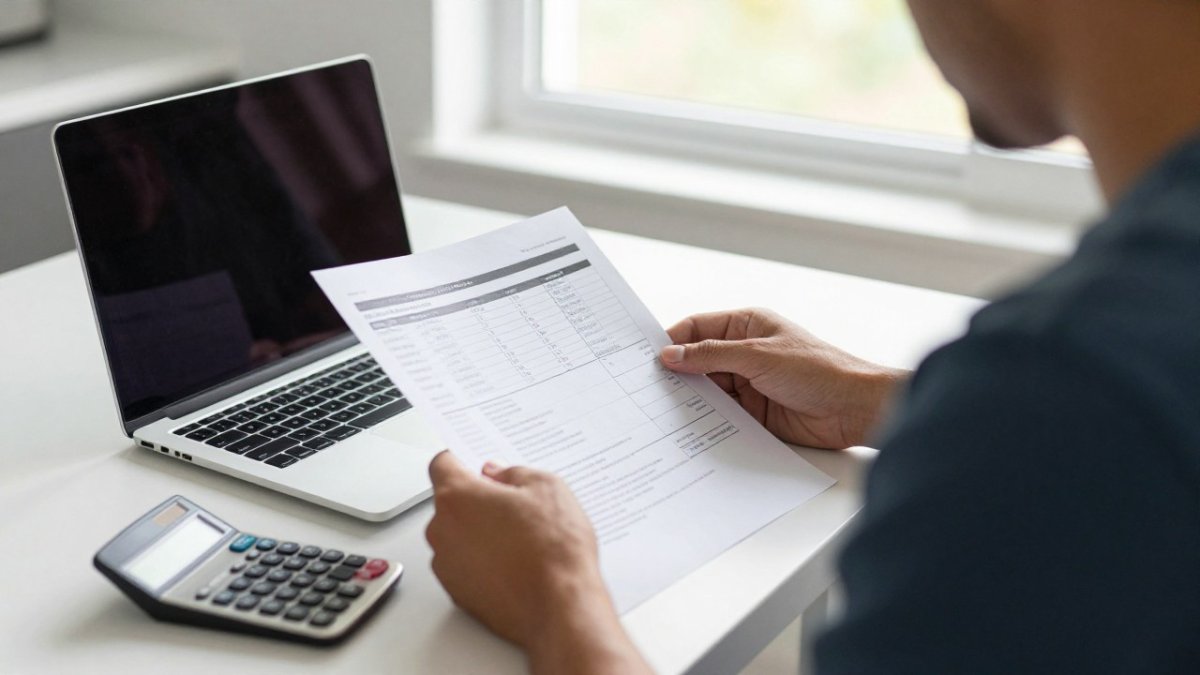
A short sale is typically reported on the mortgage tradeline as “settled for less than the full balance,” “settled,” or “paid for less than owed.” The account status, the balance, and the date of first delinquency are the three fields that matter most. If a debt on your report looks unfamiliar or appears twice, learn why debts get resold and how to verify the current owner. The date of first delinquency is the date the account first went late and was never brought current, it drives how long the negative information stays on your report, so confirm it matches your records.
Look for these details on each report:
- The account status and the date the account closed
- The balance shown and whether it reads as paid, settled, or still owed
- The date of first delinquency and the date of last activity
- Any late payments tied to the mortgage and their dates
- Accounts you do not recognize
Spotting Short-Sale Reporting Errors
Errors are common after a short sale. Watch for a few patterns:
- The mortgage listed as “charged off” when the lender agreed to a sale
- A balance still showing after the lender accepted the sale terms
- Duplicate entries for the same debt
- A late payment dated after the home was already sold
- A status that conflicts with the lender’s approval letter or the closing documents
Write down every error you find, including the bureau, the account number, the field that is wrong, and what it should say. You will need those details for your dispute. Keep your short sale approval letter, the settlement statement, and any payoff confirmation together, they are the evidence that supports a correction.
Watch out: A short sale can leave a deficiency balance if the lender does not waive it, and that balance may be reported or later collected. Confirm in writing whether the lender is releasing you from the remaining debt before you assume the account is fully settled.
Step 2: Write a Credit Report Dispute Letter for Inaccurate Information
Once you find an error, you can dispute it directly with the bureau. Under the Fair Credit Reporting Act, the bureau must investigate and correct inaccurate information. Federal Trade Commission guide to disputing credit report errors
Keep your letter short and factual. Include: you can start from a usable dispute letter template instead of writing one from scratch.
- Your full name, address and date of birth
- The account number and the bureau’s name
- The exact error and what the correct information should be
- Copies of supporting documents, such as the lender’s sale approval letter
Send the letter by certified mail and keep a copy. For step-by-step filing instructions with each bureau and what happens after you submit, see how to file a credit dispute.
Step 3: Build a Track Record of On-Time Payments and Lower Balances
Payment history is one of the biggest parts of your score. Make every payment on time, starting now. Set up autopay for at least the minimum amount due.
Lowering your balances also helps. Many people find that these steps work well:
- Pay down credit card balances to keep use low
- Avoid opening several new accounts at once
- Keep older accounts open to protect your credit age
Over several months, a steady record of on-time payments can help offset the short sale’s effect.
How to Improve Your Credit Score If You Have No Debt
Some people have no open debt but still have a thin or damaged file after a short sale. In that case, the focus shifts to building new positive history.
A common approach is to open a secured credit card or a credit-builder loan. For a concrete plan to build credit from scratch with no credit history, start with the steps for thin files. Use the account for small purchases, then pay the full balance each month. Lenders see that record as proof you can manage credit responsibly.
Be cautious of products that promise fast score jumps, and of anyone who asks for an upfront fee to “fix” your report.
How Long It Takes to Rebuild Credit After a Short Sale
Recovery takes time, and no one can promise a fixed timeline. Negative account information can remain on your credit report for a limited period set by federal reporting rules; check the current rules with the Consumer Financial Protection Bureau or the credit bureaus. Your score often starts recovering well before that, especially if you make on-time payments.
A realistic plan looks like this:
- Months 1-3: Pull reports, dispute errors, and set up autopay.
- Months 4-12: Keep payments on time and reduce card balances.
- Year 2 and beyond: Maintain a steady history and check your reports each year.
Your results depend on your full credit picture, so treat these as general expectations rather than guarantees.
Preparing to Buy a House After a Short Sale
Many lenders require a waiting period after a short sale before they approve a new mortgage; confirm the requirement with a lender for the loan program you are considering. The length depends on the loan program and your circumstances. Consumer Financial Protection Bureau guidance on mortgages explains how mortgage lending works and what lenders review.
Separate two questions that are easy to confuse: whether your credit score has recovered, and whether you are eligible for a given loan program. To see what credit score you need to buy a house, review the requirements by loan type. A recovered score does not by itself make you eligible, and meeting a waiting period does not guarantee approval. Eligibility can vary by loan program, lender, whether a deficiency balance remains, and whether you can document the hardship that led to the short sale.
Because those rules change and lenders apply them differently, ask a loan officer to confirm the specific waiting period for the program you are considering and to put the answer in writing.
Use this time to:
- Keep your debt-to-income ratio low
- Save for a down payment and closing costs
- Confirm your score and report with a lender before you apply
- Gather documentation of the hardship and the short sale
- Avoid new credit applications that add inquiries right before you apply
Also expect your score to differ across the three bureaus and across scoring models, and expect a mortgage lender’s score to differ from a consumer score you see online. Treat any single score as a rough indicator, not a guarantee of approval.
Watch out: Some companies promise to erase a short sale from your credit report or guarantee approval for a fee. No one can remove accurate negative information early, and no one can guarantee a mortgage decision before underwriting.
Your Next Step: Book a Free Credit Review
Rebuilding credit after a short sale is a process, and a clear plan helps. Credit Repair offers a free consultation to review your reports and outline your next steps. The review is no-pressure. Get a Free Consultation with Credit Repair and start your plan with a clear view of where you stand.
Frequently Asked Questions
How long does it take to rebuild credit after a short sale?
Recovery timing varies with your credit history, how the short sale was reported, and how consistently you pay your other accounts from that point forward. Many people see gradual score movement over the following one to two years, while negative account information can remain on your report for a limited period set by federal reporting rules. Track your scores and reports every few months so you can measure progress against a plan rather than guessing. Results are not guaranteed, so treat any timeline as an estimate and confirm reporting details with your lender or the credit bureaus.
Can I buy a house after a short sale?
Yes, but the waiting period before you can qualify for a mortgage depends on the loan program and your overall credit profile. Different loan programs set their own waiting periods after a short sale, so check the current guidelines for the program you are considering. Lenders also look at your payment history since the sale, your debt-to-income ratio, and your down payment. Speaking with a mortgage lender early lets you map out the specific requirements that apply to your situation.
Should I dispute a short sale on my credit report?
Dispute only information that is inaccurate, incomplete, or unverifiable, such as a balance reported after the sale was closed or a late payment that was never missed. A short sale that was reported correctly is not an error, so disputing it will not remove it. If you find incorrect entries, send a written dispute to each credit bureau that reports the item and keep copies of everything you send. Under the Fair Credit Reporting Act, bureaus must investigate and respond to disputes, .
How do I rebuild credit if I have no debt?
Having no debt can leave you with a thin credit file, which makes it harder for scoring models to judge how you handle credit. Opening a secured credit card or a credit-builder account and using it for small recurring purchases you pay in full each month can establish a positive payment history. Check that the issuer reports to all three major bureaus and avoid products that charge high upfront fees. Consistent on-time payments over time are what build the record lenders review.
